
Estimate the load, pick the slings
Work out the weight and centre of gravity, then choose slings, shackles and angles within the working load limit.
Sling selection, load estimation and the calls that guide a blind lift. Dogmen and riggers can train with the crane operator, so the crew learns together.
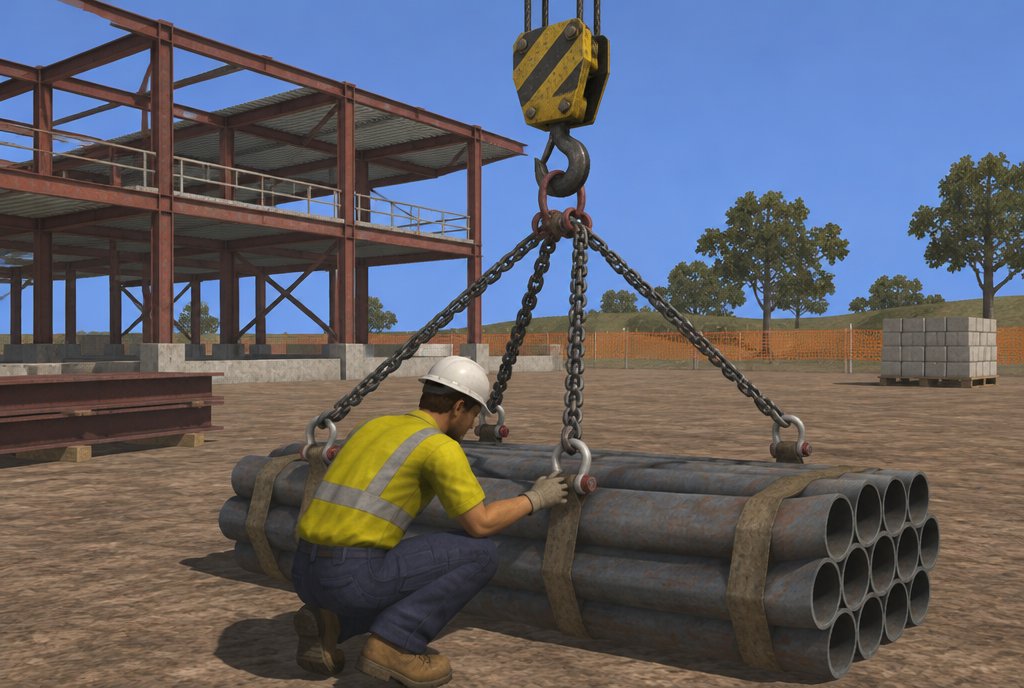
Rigging and dogging simulation training lets dogmen and riggers estimate loads, select and inspect slings, set up the lift and direct the crane by radio or hand signal on a virtual site. It runs in a VR headset, in mixed reality with real slings and shackles, or linked to an operator in a crane simulator, and every sling choice and call is recorded.
The dogman is the operator's eyes on a blind lift. A wrong call, a late stop or a sling at the wrong angle is enough to drop a load.
In simulation, riggers can pick the wrong sling and watch it fail, misjudge a centre of gravity and see the load tilt, and practise the stop call until it's instant. Linked to a crane simulator, the whole crew rehearses the lift together.
Examples only. We rebuild each one around your site, equipment and procedures.
Work out the weight and centre of gravity, then choose slings, shackles and angles within the working load limit.
Guide the operator through a lift they can't see, by radio and by hand signal.
Inspect the rigging gear before use and tag out what isn't fit to lift.
Every session can be scored against your own checklist and exported to your LMS or as PDF.
In Australia, dogging (DG) and rigging (RB, RI, RA) are high risk work licences. Simulation builds judgement and teamwork alongside the licence course and between real lifts; the licence assessment still happens on real equipment.
The same rigging, dogging & signalling scenarios can run on different hardware. We recommend a format in scoping, and many projects use more than one. Each links to the service that builds it.
Inspect slings and direct the lift at full scale, with the whole site in view.
Standalone headset · Works offlineVR training apps Multi-user VRBest fitThe dogman and the crane operator in the same lift, talking on radio.
Networked headsets · Instructor viewMulti-user VR drills Mixed reality (XR)Works wellReal slings, shackles and tag lines in the room, with a virtual load and crane.
Passthrough headset · Real equipmentMixed reality (XR) training Web & mobile 3DWorks wellLoad estimation, sling selection and hand signals on a browser or phone.
Any browser · SCORM / xAPIDesktop & web 3D Desktop simulatorAlso possibleLift planning and load estimation on a laptop.
PC or laptop · Desk-mounted controlsDesktop & portable simulators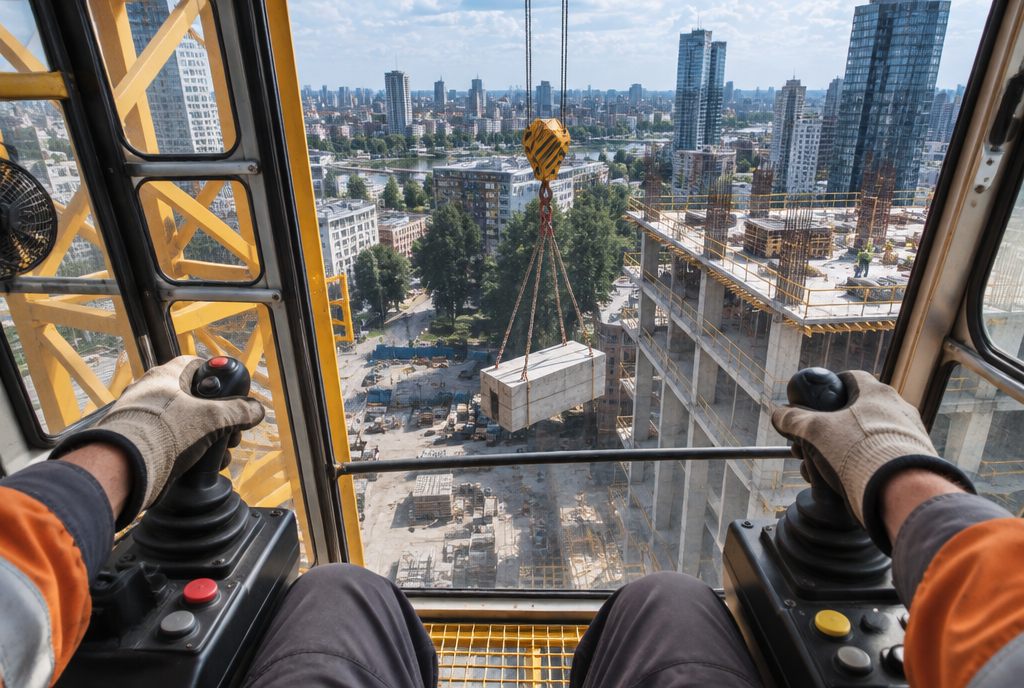
Blind lifts on radio calls, wind and tight slews, modelled to your crane's load chart.
See the example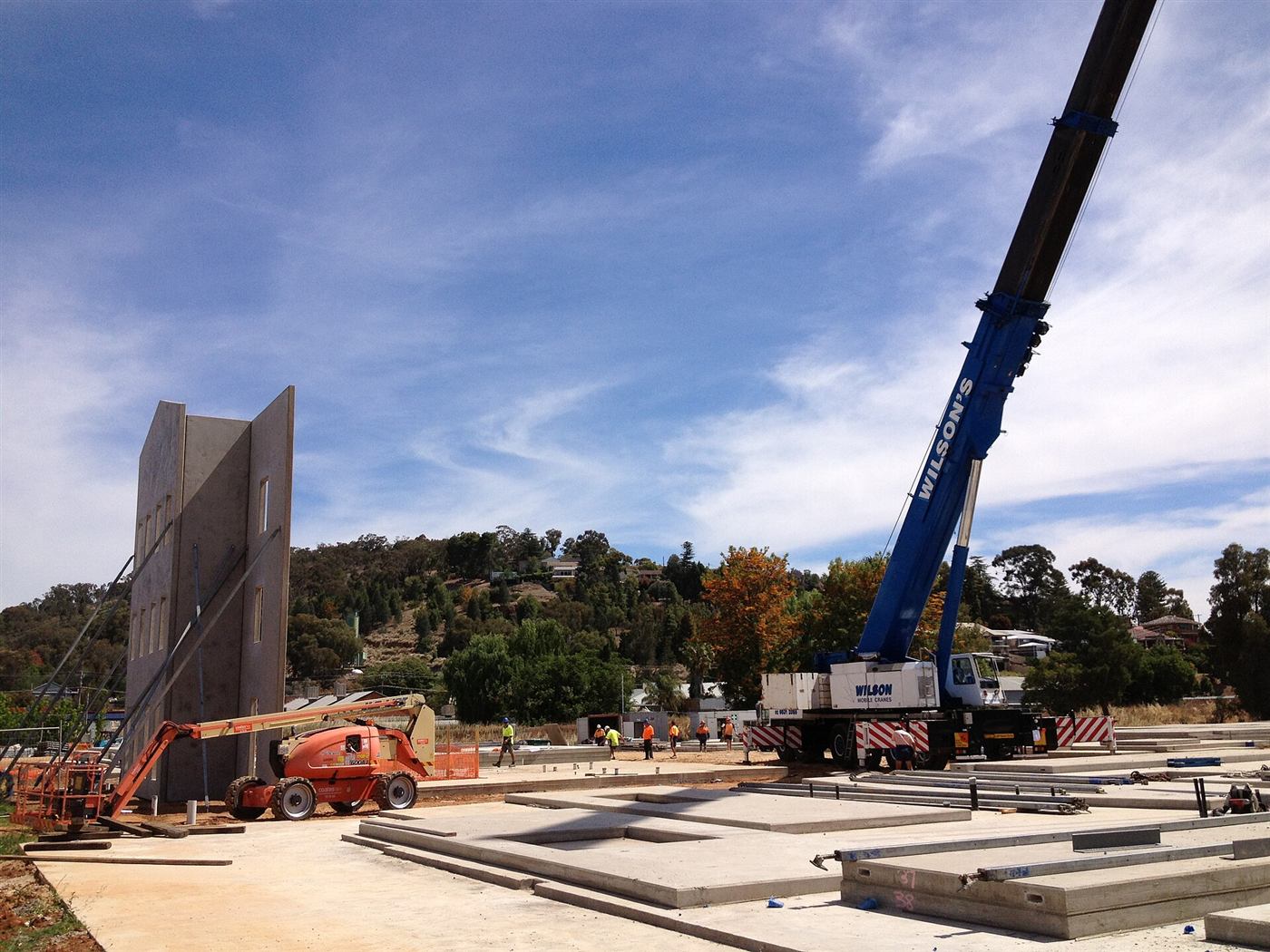
Set-up, outriggers, soft ground and lifts near capacity, from planning to set-down.
See the example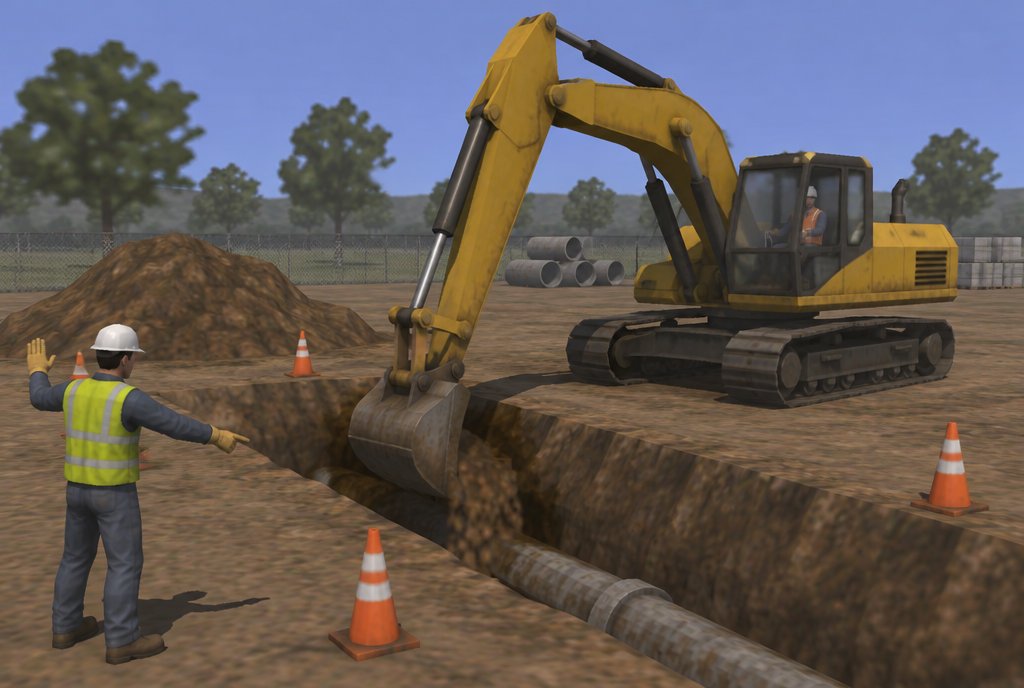
Buried services, swing zones with spotters and trench edges.
See the example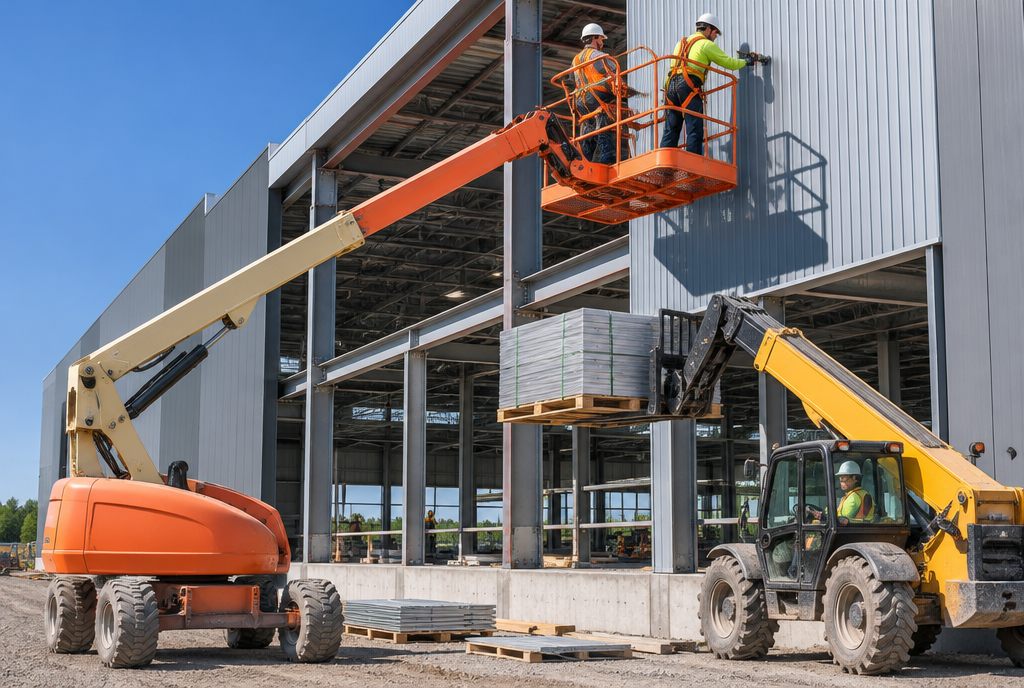
Overhead crush hazards, slopes and outriggers, and power lines.
See the example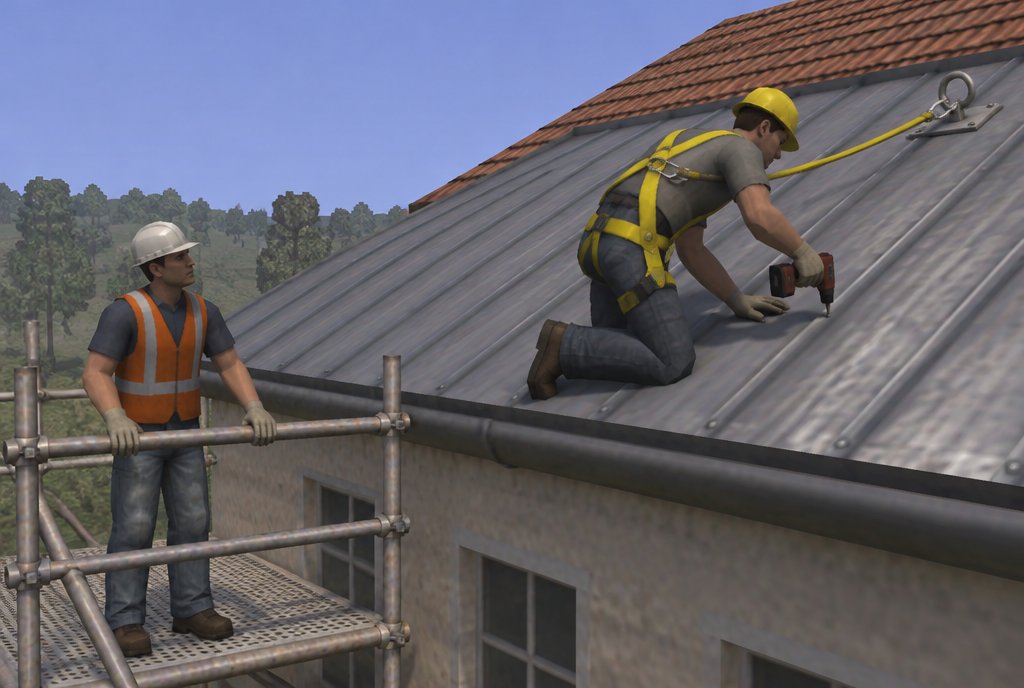
Harness checks, anchor points, unprotected edges and rescue.
See the example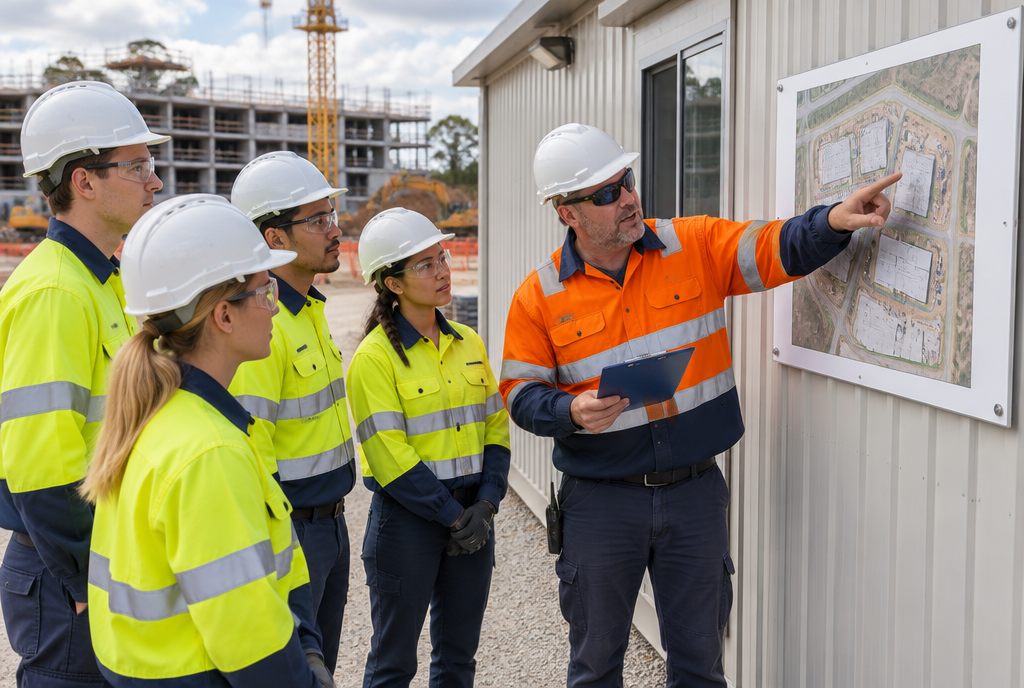
Walk your site before day one and find the hazards where they really are.
See the exampleA first call about what your people face, then an outline of the scenarios, the format and the scoring we would build.
Start a projectRigging and dogging simulation training lets dogmen and riggers estimate loads, select and inspect slings, set up the lift and direct the crane by radio or hand signal on a virtual site. It runs in a VR headset, in mixed reality with real slings and shackles, or linked to an operator in a crane simulator, and every sling choice and call is recorded.
Yes. A dogman in VR and an operator in a cab or headset share the same lift, with the radio calls between them.
Yes. The dogman gives signals with the controllers or tracked hands, and the simulator checks each one is correct and visible to the operator.
Yes. We model the slings, shackles and spreader beams you use, with their working load limits.