
Motion platform simulators for heavy machinery
Platforms that pitch, roll, shake and jolt with the machine, for operators who need to feel a slope, a shock load or a rough haul road.
- Part of
- Simulators & physical rigs
- Off the shelf
- Nothing
- Starts with
- Scoping
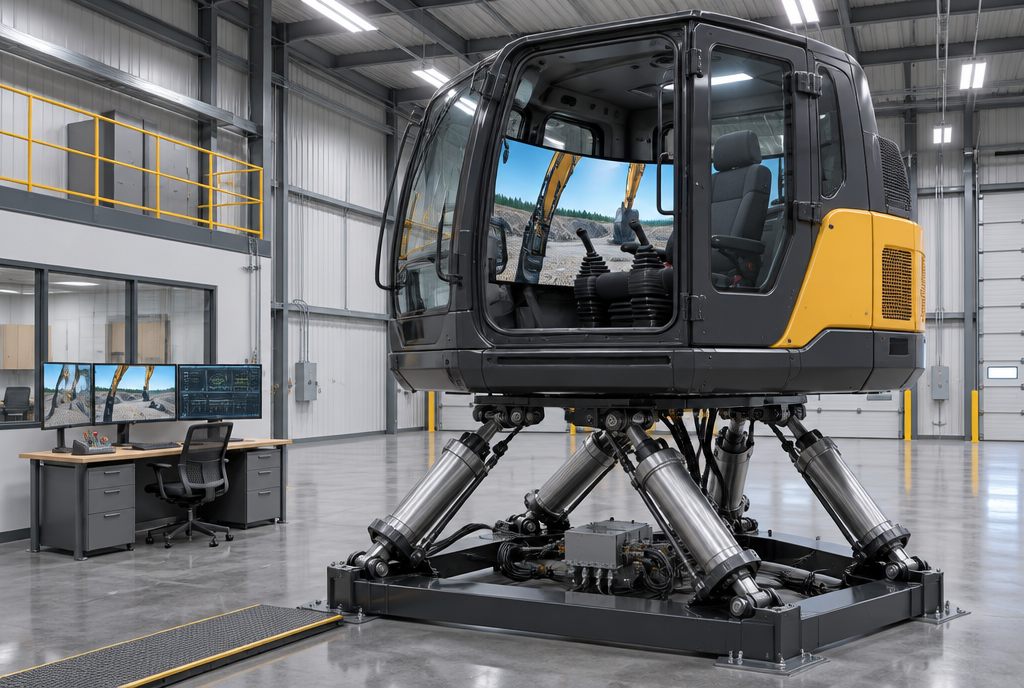
What does a motion platform add to simulator training?
A motion platform moves the simulator seat or cab in step with the virtual machine: tilting on slopes, rocking on rough ground and jolting with a shock load. That physical feedback helps operators read the machine's state through their body, as they do on real equipment, and makes hazards like a rollover more convincing.
On a haul road or under a swinging load, operators feel trouble before they see it. Motion gives the simulator that early-warning channel.
Motion isn't needed for every task, and it adds cost. We recommend it where feel matters and leave it out where a static rig will do.
What’s included
Scoped to your project. Every part is built for your site, people and procedures.
- 3-axis and 6-axis platformsSized to the cab's weight and the movement the machine needs.
- Vibration and effectsEngine, terrain and impact vibration through the seat.
- Safety systemsEmergency stops, interlocks and safe access for trainees.
- Instructor controlTrigger slopes, impacts and failures from the console.
Where we build motion platform
Examples across our industries where this format is the best fit or works well. All industries
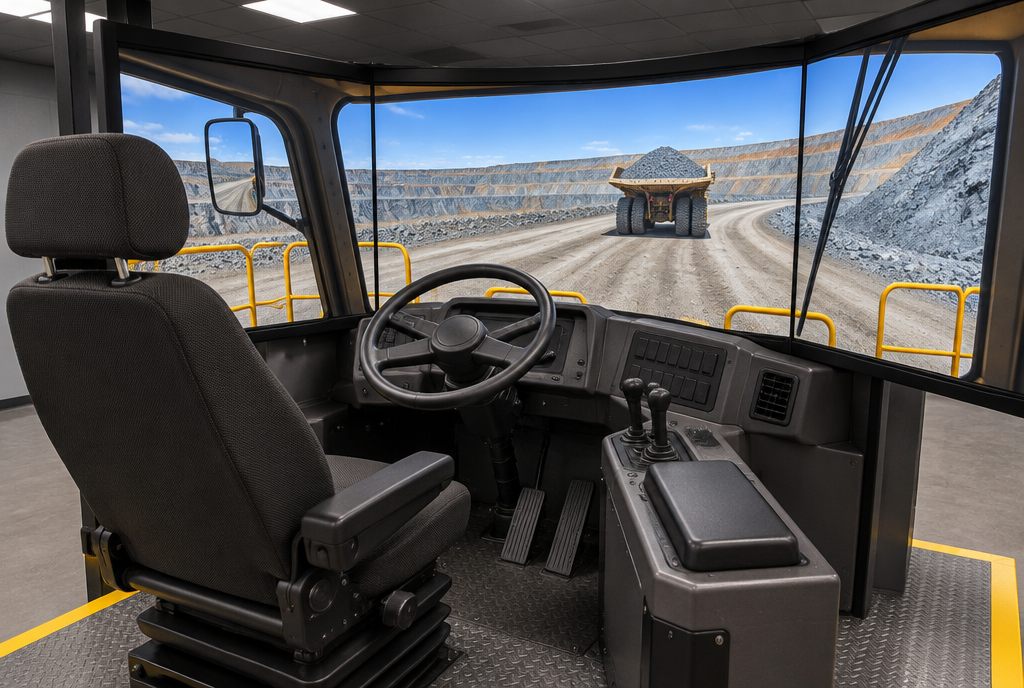
Haul trucks & surface mining
Blind spots, light vehicles, ramps and the dump edge on a model of your pit.
Mining & resources · Best fit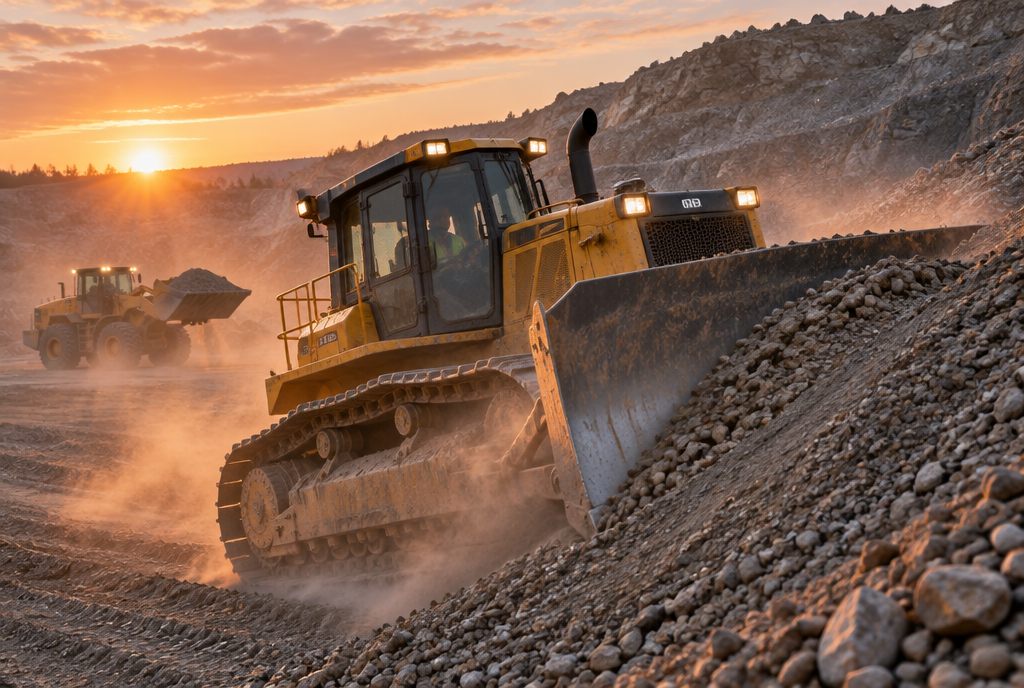
Wheel loader & dozer
Stockpiles, truck loading, slopes and edges on a seat that moves with the machine.
Mining & resources · Best fit
Port & container cranes
Ship-to-shore and yard gantry moves, wind holds and twistlock faults.
Logistics & manufacturing · Works well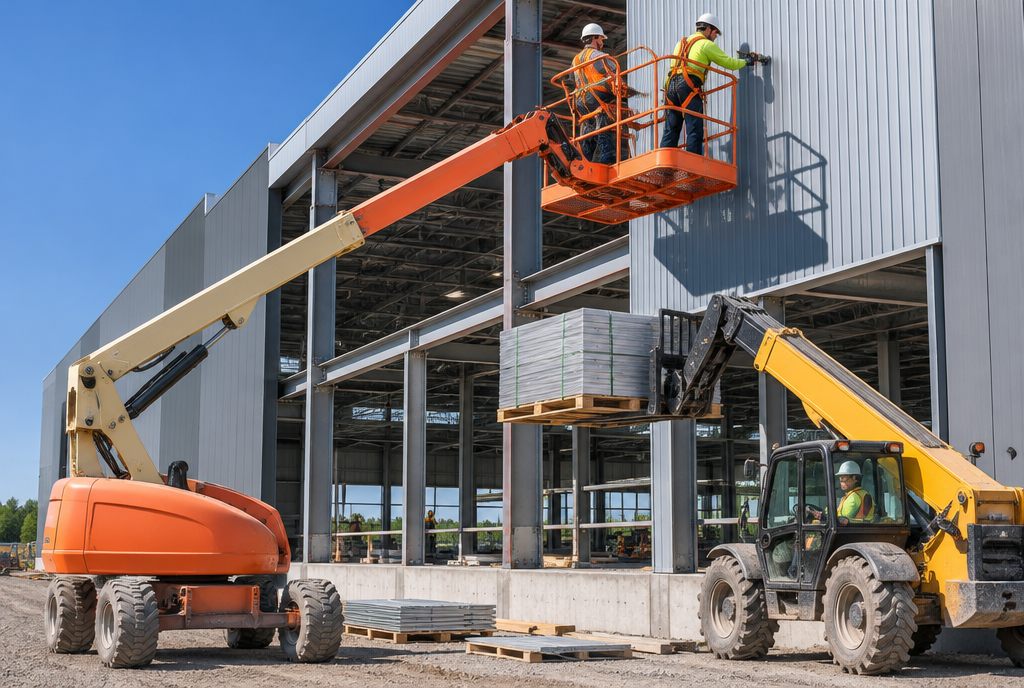
Telehandler & EWP
Overhead crush hazards, slopes and outriggers, and power lines.
Construction · Works well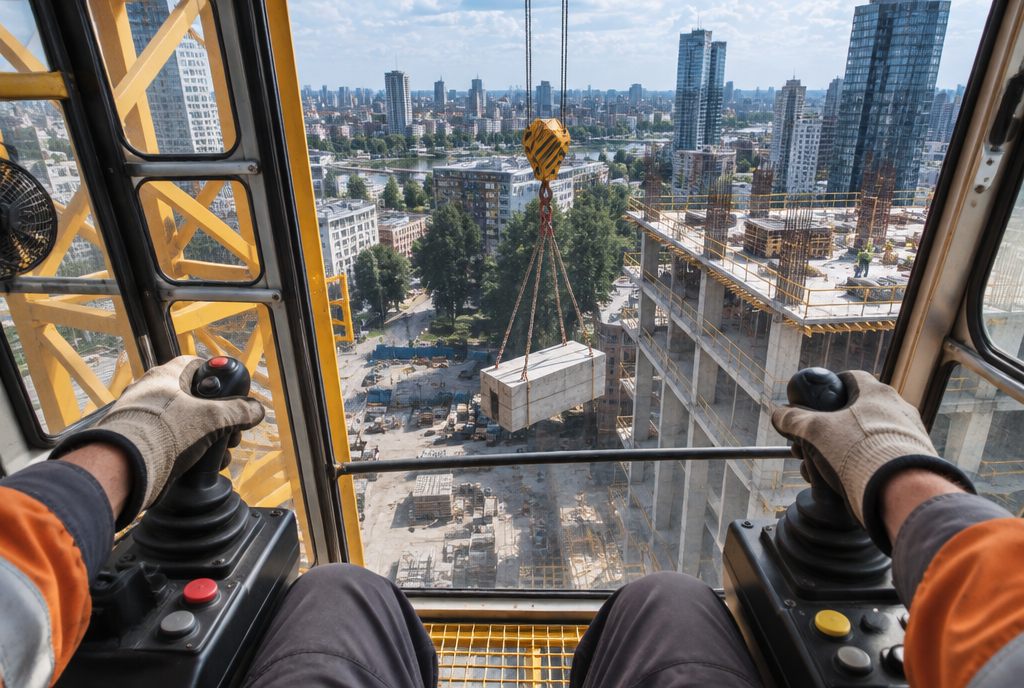
Tower crane
Blind lifts on radio calls, wind and tight slews, modelled to your crane's load chart.
Construction · Works well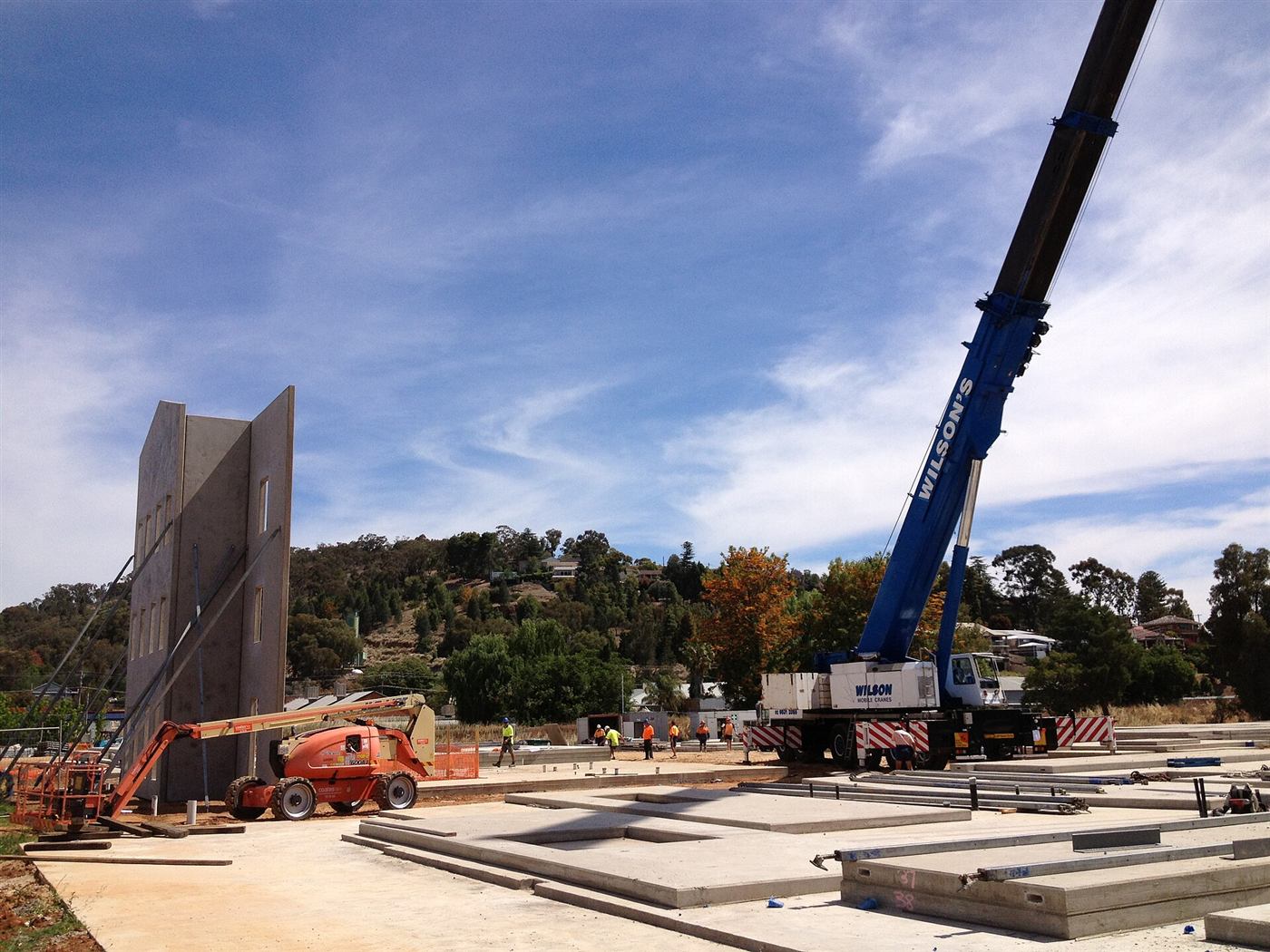
Mobile & crawler crane
Set-up, outriggers, soft ground and lifts near capacity, from planning to set-down.
Construction · Works well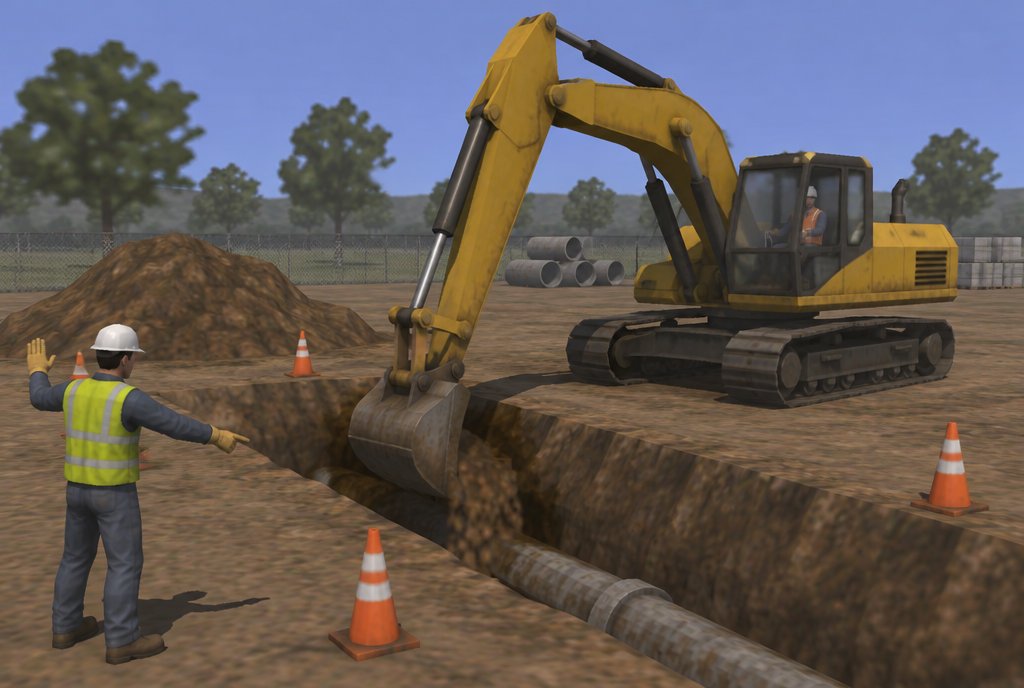
Excavator
Buried services, swing zones with spotters and trench edges.
Construction · Works wellMore in simulators & physical rigs
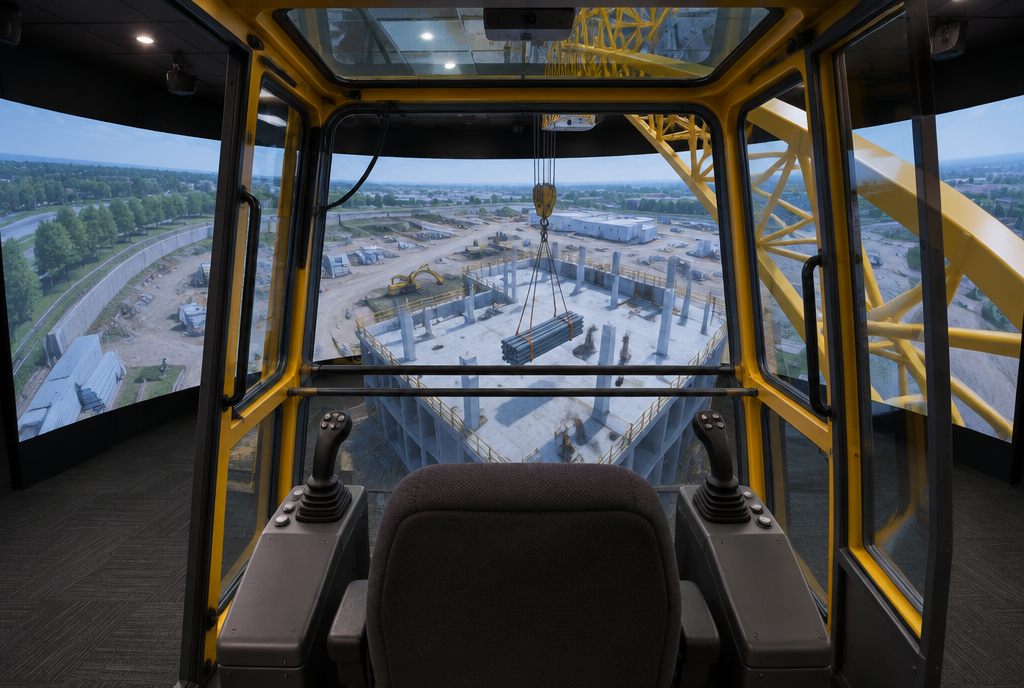
Replica cabs & seat rigs
Seat, console and controls laid out like the real cab.
Learn more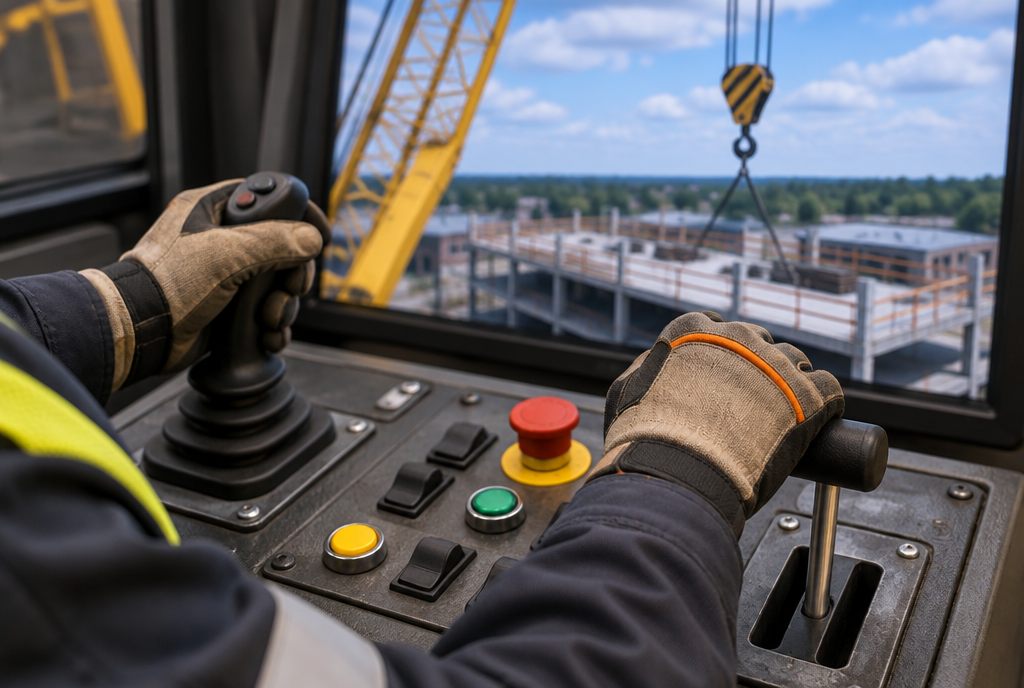
Joysticks, levers & steering
Industrial controls that swap between machines.
Learn more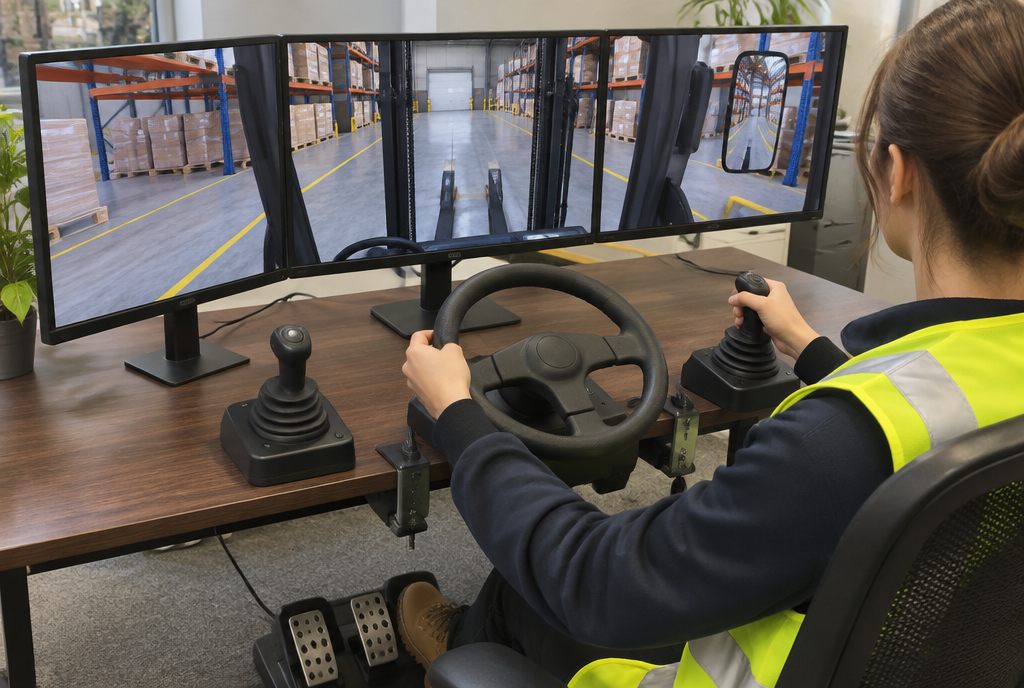
Desktop & portable simulators
Joysticks, wheels or RC controllers on a desk, at a fraction of the cost.
Learn more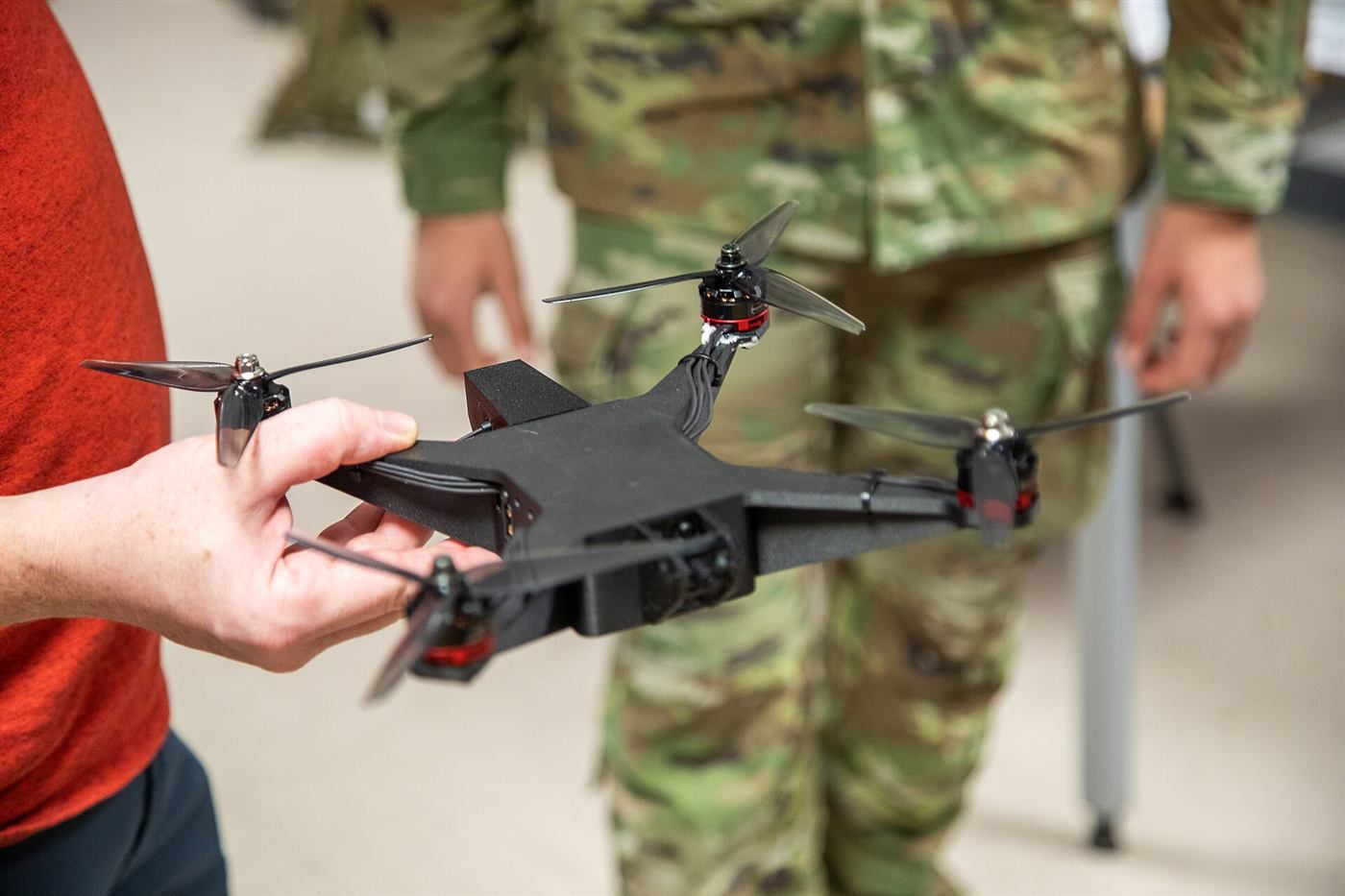
Custom hardware integration
Fire panels, drone controllers and site devices wired in.
Learn moreStart with a scoping call
A 30-minute call to understand the problem, then a first outline with a timeline and estimate.
Start a projectFrequently asked questions
What does a motion platform add to simulator training?
A motion platform moves the simulator seat or cab in step with the virtual machine: tilting on slopes, rocking on rough ground and jolting with a shock load. That physical feedback helps operators read the machine's state through their body, as they do on real equipment, and makes hazards like a rollover more convincing.
Does motion cause motion sickness?
Well-tuned motion often reduces it, because what the body feels matches what the eyes see.
What power and space does it need?
More than a static rig. We check floor loading, power and clearances during scoping.
Can a static rig be upgraded to motion later?
Often, yes, if the rig is designed with that in mind from the start.