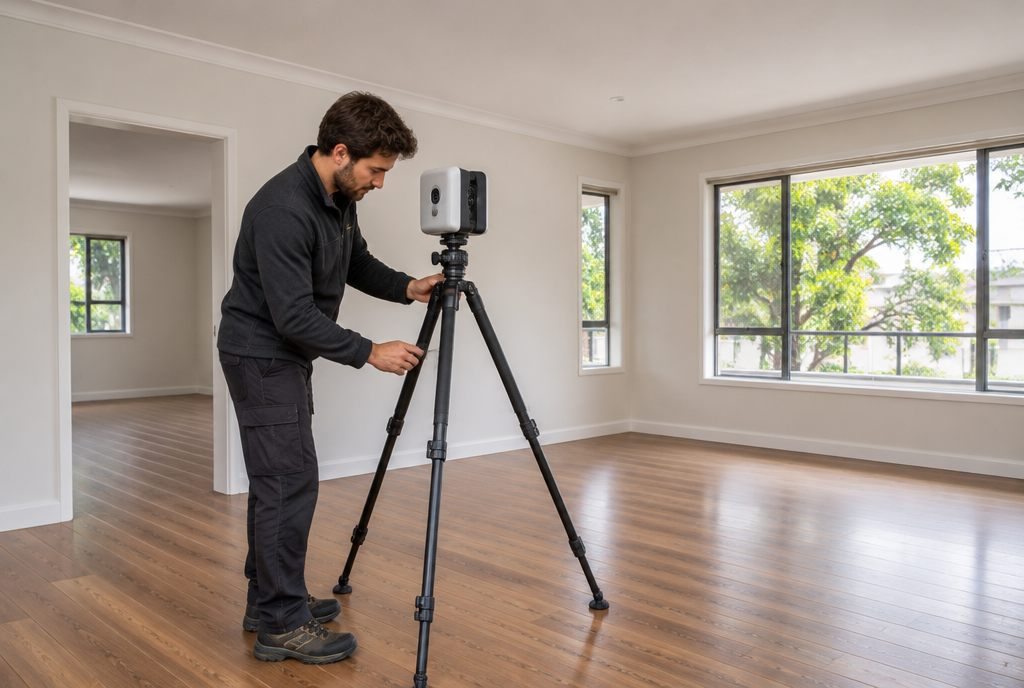
3D model of the asset
Built from scans, drone surveys, CAD or BIM.
Digital twins
A digital twin is a live 3D copy of a site, building or machine, fed by cameras, sensors and IoT devices. You see what's happening, inspect remotely and send people only when there's a reason to go.
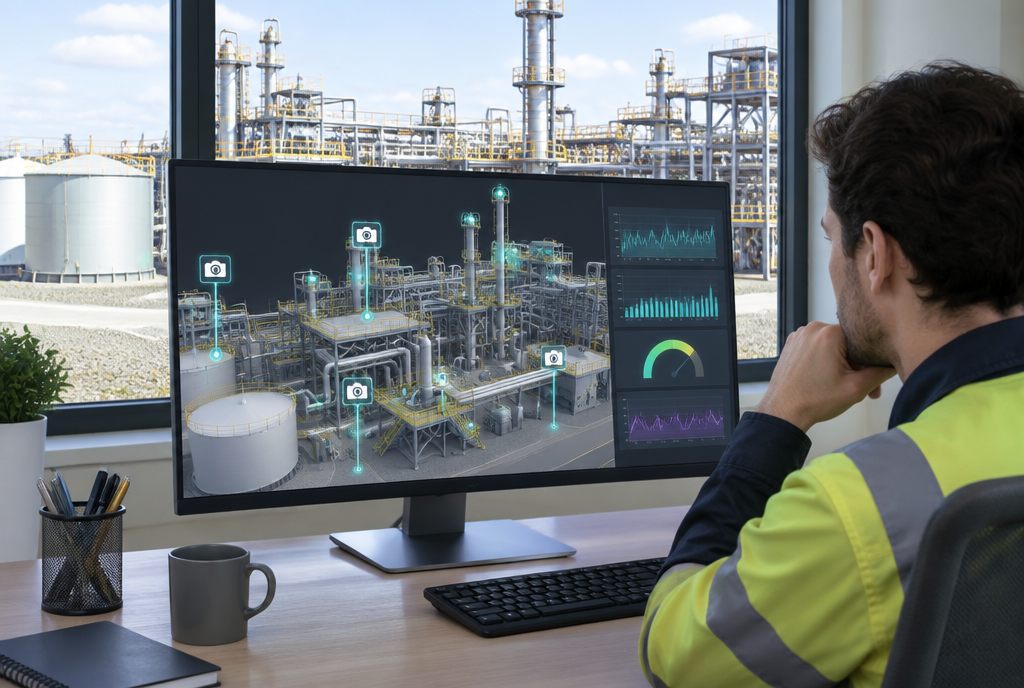
A digital twin is a virtual model of a physical asset, such as a site, building or machine, that is kept up to date with data from the real thing. Cameras, sensors and IoT devices feed the model, so people can see the asset's current state, inspect it remotely, spot problems early and plan work without travelling to site.
Site visits are slow and expensive, and at remote mines, pump stations or rural properties a single check can take a full day. Many visits are just to look: is it running, is it damaged, has anything changed?
A twin answers those questions from the office. Cameras show what's there, sensors report what's happening, and the 3D model puts both in context, so the next visit is planned, not speculative.
Pick one or combine them. Each is scoped to your site, people and procedures.
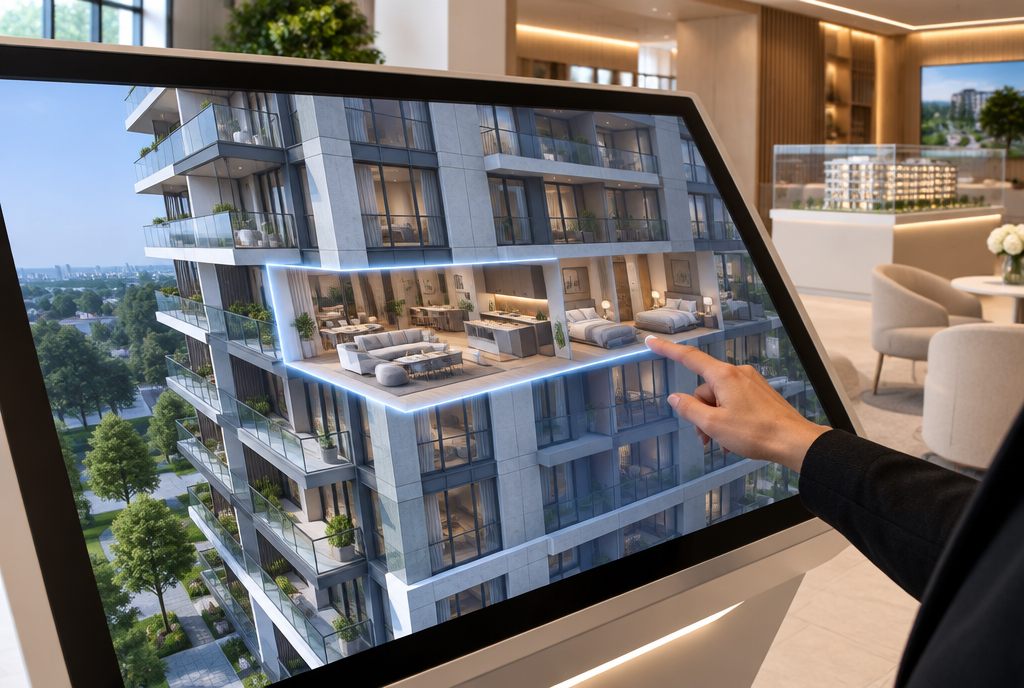
Buildings and land for sales, leasing and facility management.
Learn more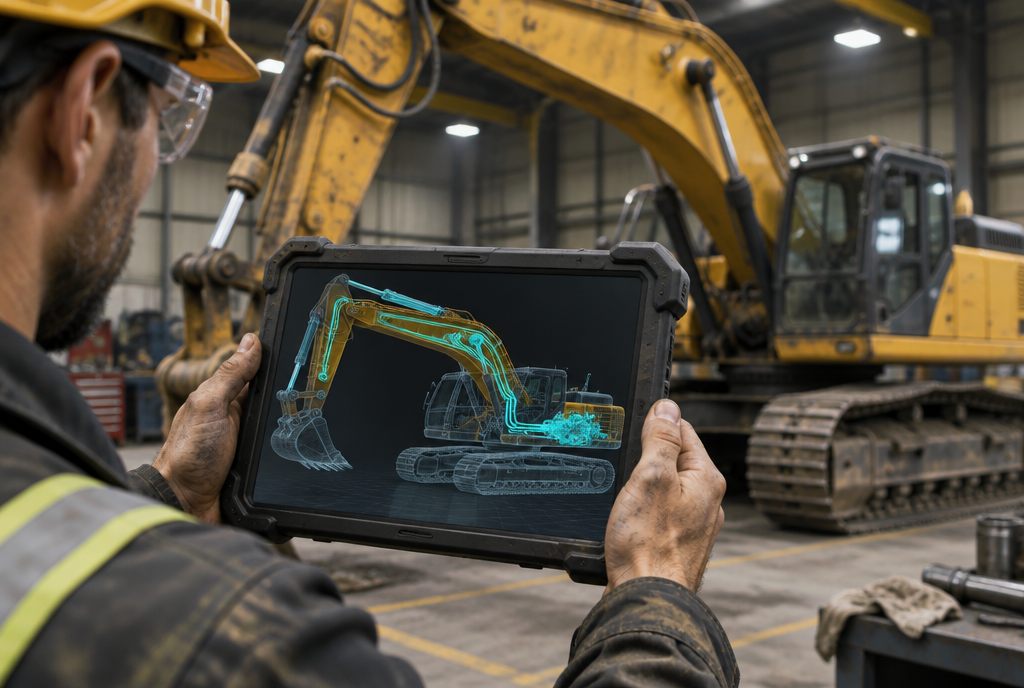
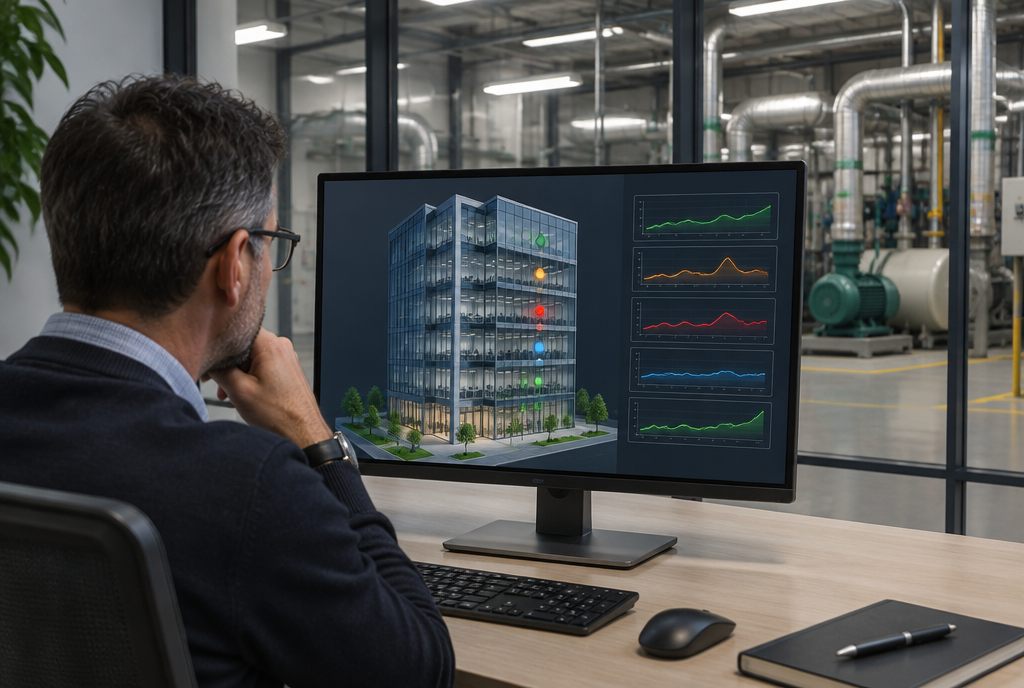
Machines linked to telemetry, faults and service history.
Learn more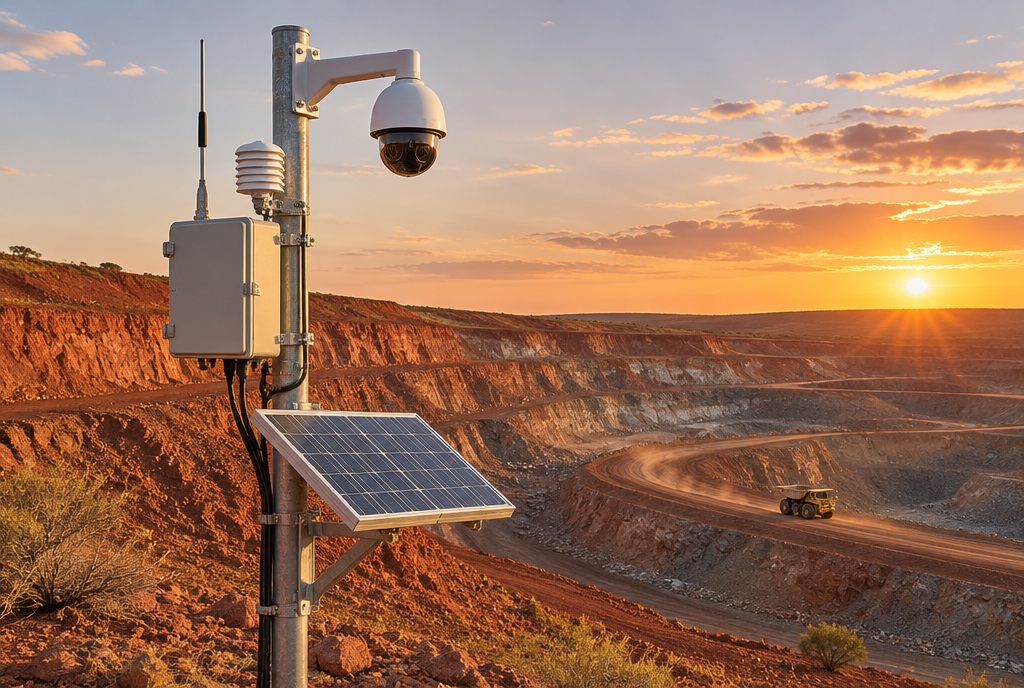
Whole sites fed by cameras, sensors and IoT devices.
Learn more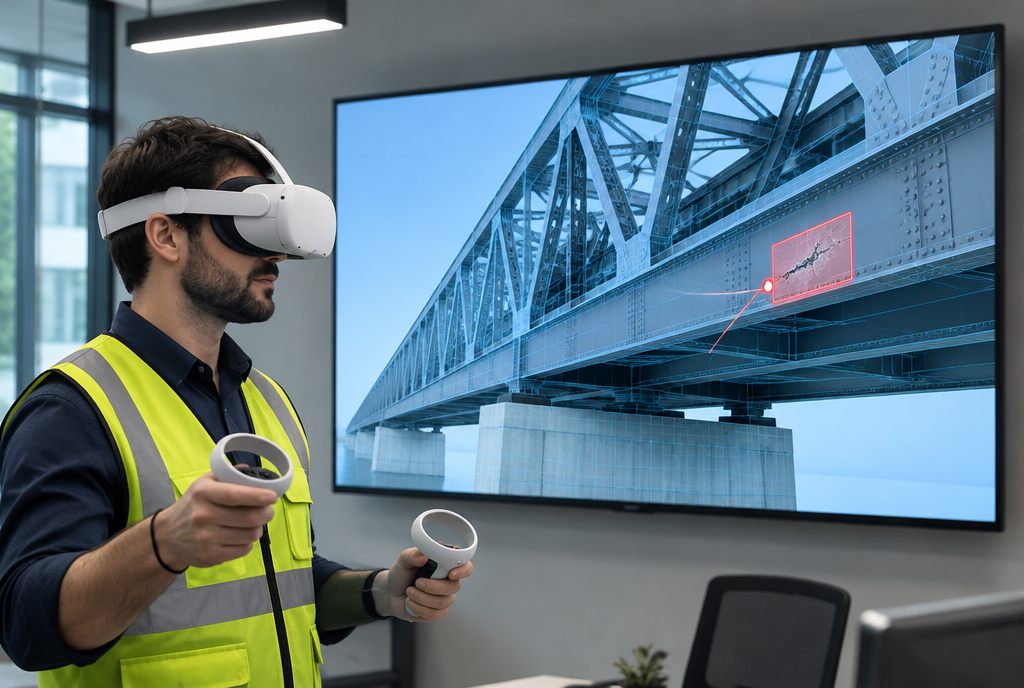
Inspect from the office; visit only when there's a reason.
Learn moreThe parts of a typical digital twins project. We include what your project needs and leave out what it doesn't.
Built from scans, drone surveys, CAD or BIM.
Fixed and PTZ cameras placed in the model and viewable in context.
Temperature, vibration, gas, level, power and more on a live dashboard.
Thresholds, notifications and a timeline of what changed.
Walk the asset in 3D or VR and log findings.
Use the twin for inductions and emergency drills.
Pick your industry to see examples, and the formats each one can be built in. All industries
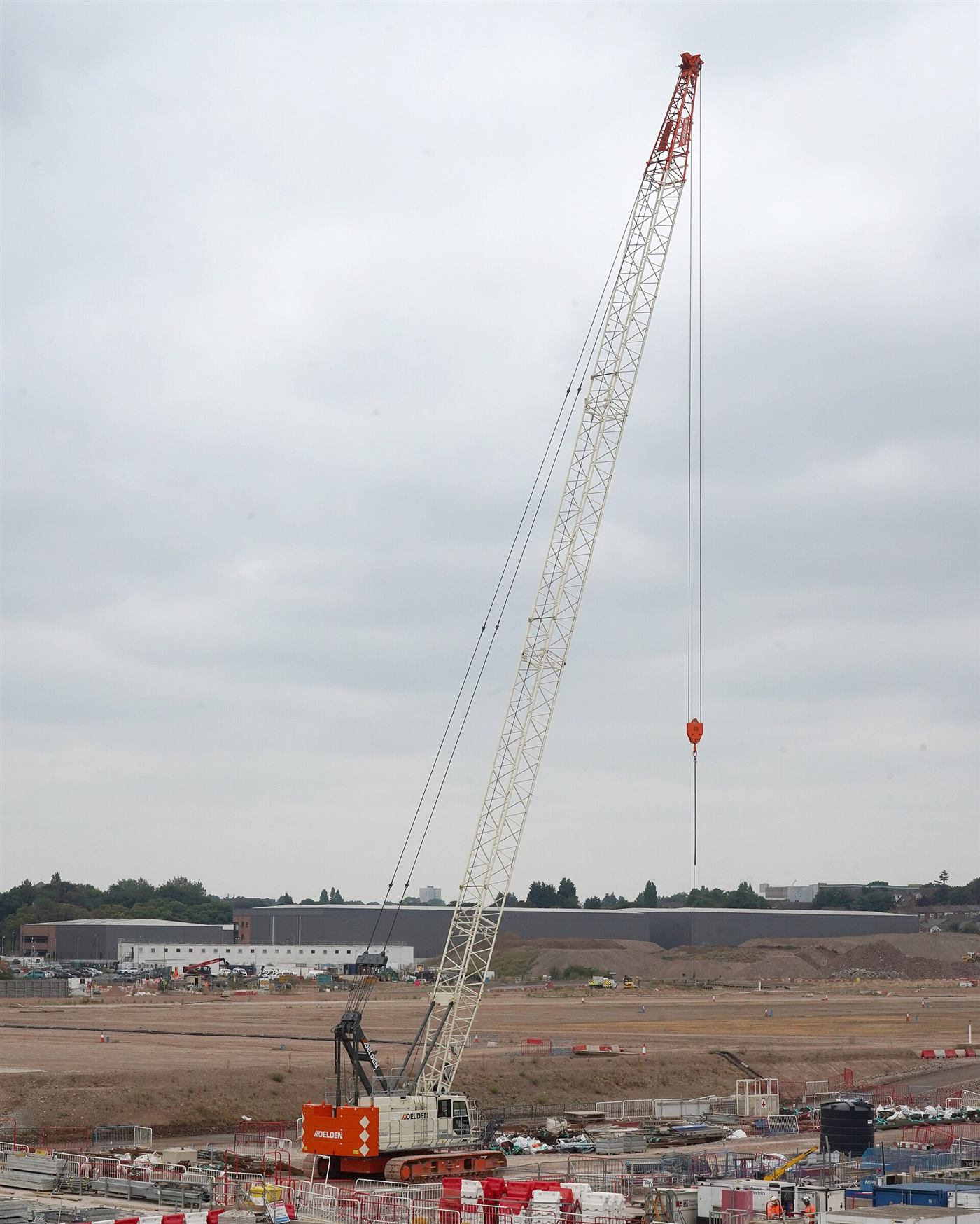
Tower crane / Mobile & crawler crane / Rigging, dogging & signalling / Excavator
See the industry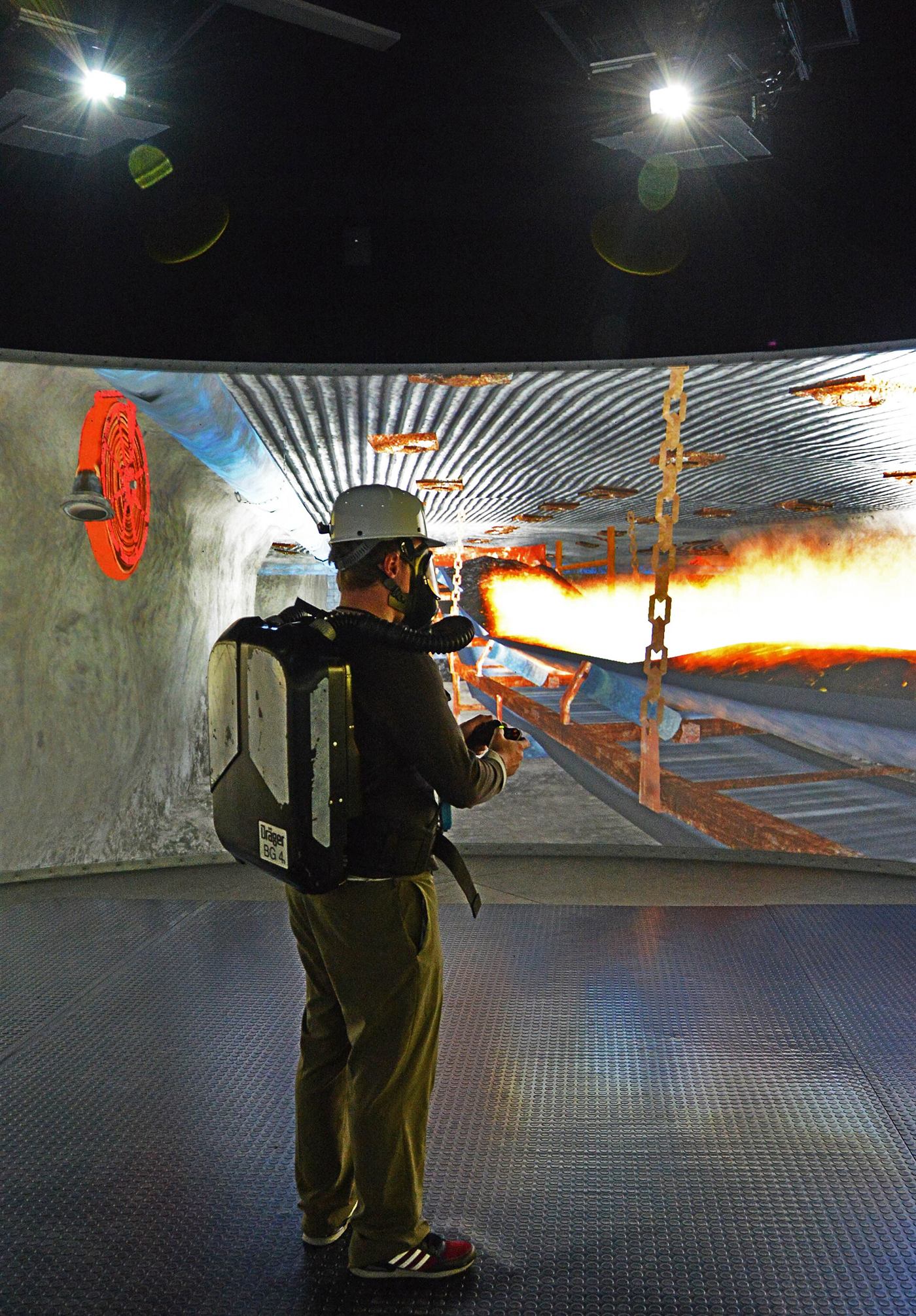
Underground hazard awareness / Mine emergency & escape / Mine rescue team drills / Underground loaders & remote operation
See the industry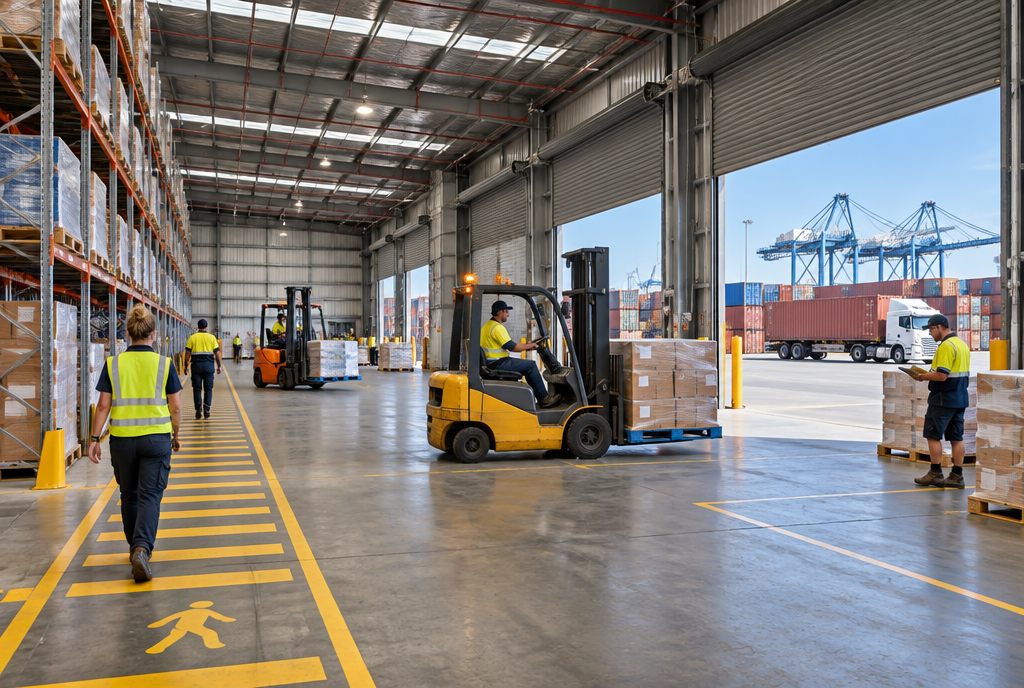
Forklift & reach truck / Overhead & gantry crane / Port & container cranes / Isolation & lockout/tagout
See the industry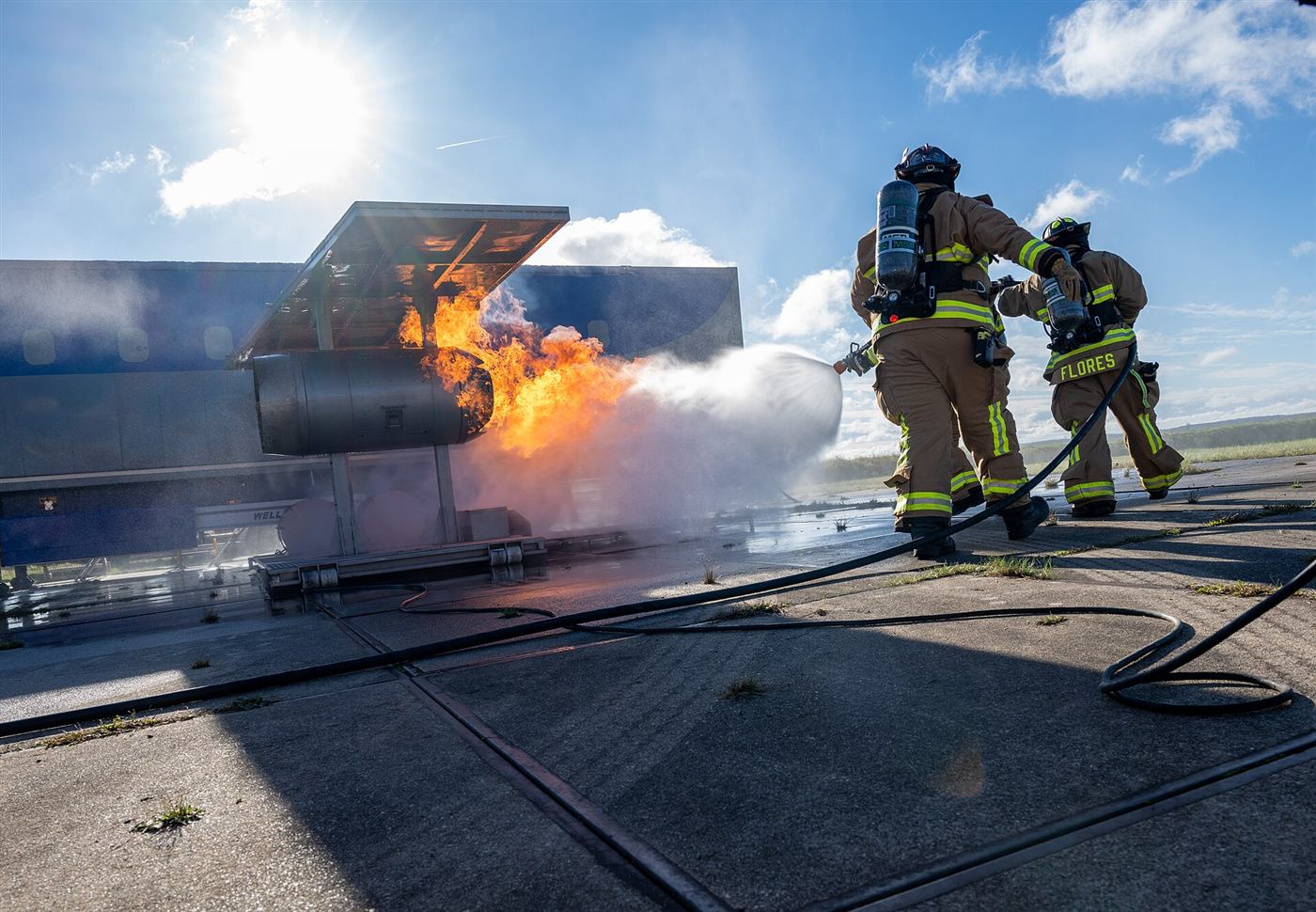
Fire alarm panel & fault-finding / Fire warden & evacuation / Fire extinguisher training / Hot work & fire watch
See the industry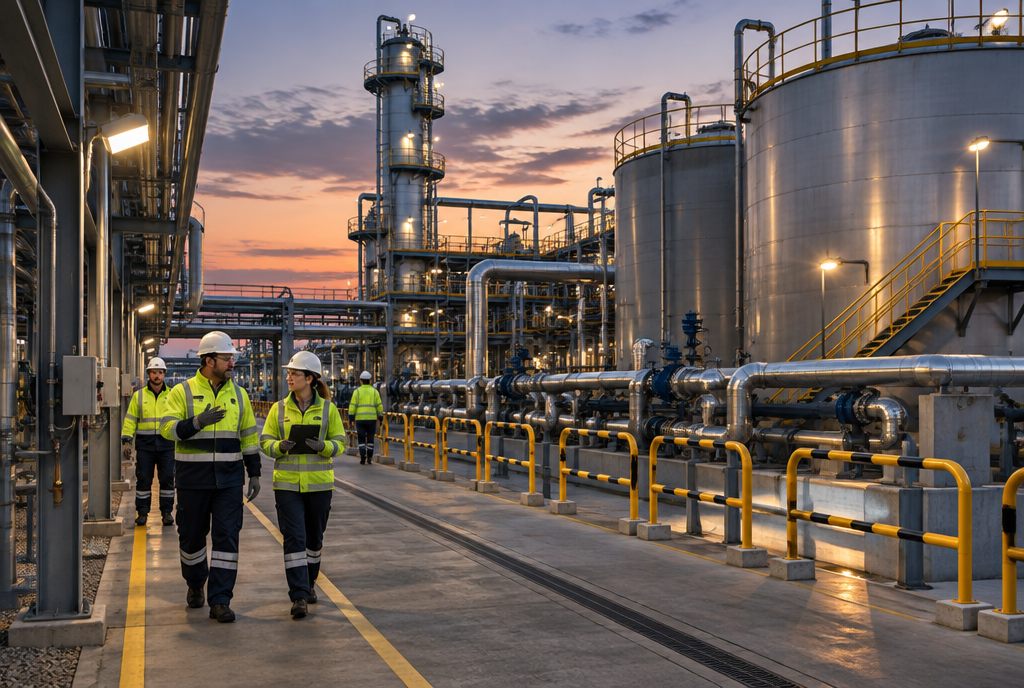
Power line & asset inspection / Flight fundamentals & emergencies / Confined-space & indoor flight / Confined space entry & rescue
See the industry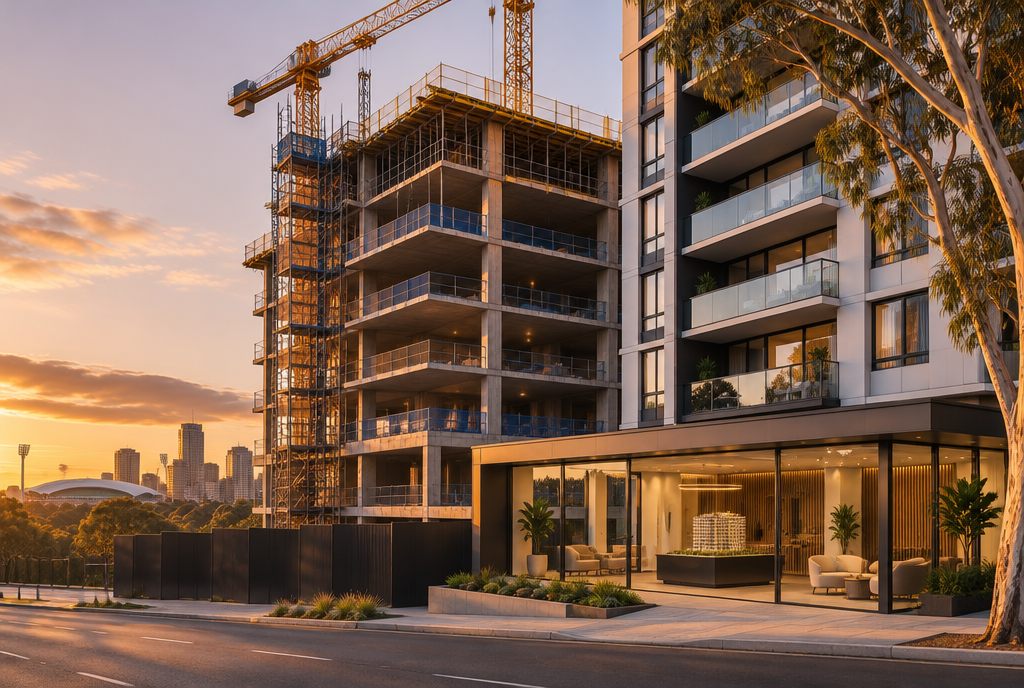
Off-the-plan walkthroughs / Building operations twins / Remote property inspections
See the industryFrom our industry pages. Each one is rebuilt around your own site, machines and procedures.
From the first call to rollout, with a pilot before anything scales.
Step 1
A call and a site visit or workshop to agree the problem, the users and how we'll measure success.
Step 2
Training needs analysis, storyboards, hardware choices and data sources, signed off before we build.
Step 3
3D models, software, hardware and integrations, reviewed with your experts as we go.
Step 4
One crew or one site uses it while we tune scoring, alerts and usability.
Ongoing
Installed at your sites, your people trained, then updated as your site changes.
Tell us what you need to train, monitor or show. We reply within two working days with a first outline.
Start a projectA digital twin is a virtual model of a physical asset, such as a site, building or machine, that is kept up to date with data from the real thing. Cameras, sensors and IoT devices feed the model, so people can see the asset's current state, inspect it remotely, spot problems early and plan work without travelling to site.
A 3D model is a static picture. A digital twin is connected to data from the real asset, so it shows what is happening now and what has happened over time.
Often, yes. We connect to common camera streams and IoT protocols, and add devices where there are gaps.
Not always. Drone surveys, CAD drawings or BIM models can be enough, depending on the accuracy the twin needs.
In your preferred cloud region or on your own infrastructure, as agreed during scoping.