
Training needs analysis for VR and simulator training
Before we build anything, we find out which tasks hurt people on your site, what crews already know and what your assessors need to see.
- Part of
- Custom training programs
- Off the shelf
- Nothing
- Starts with
- Scoping
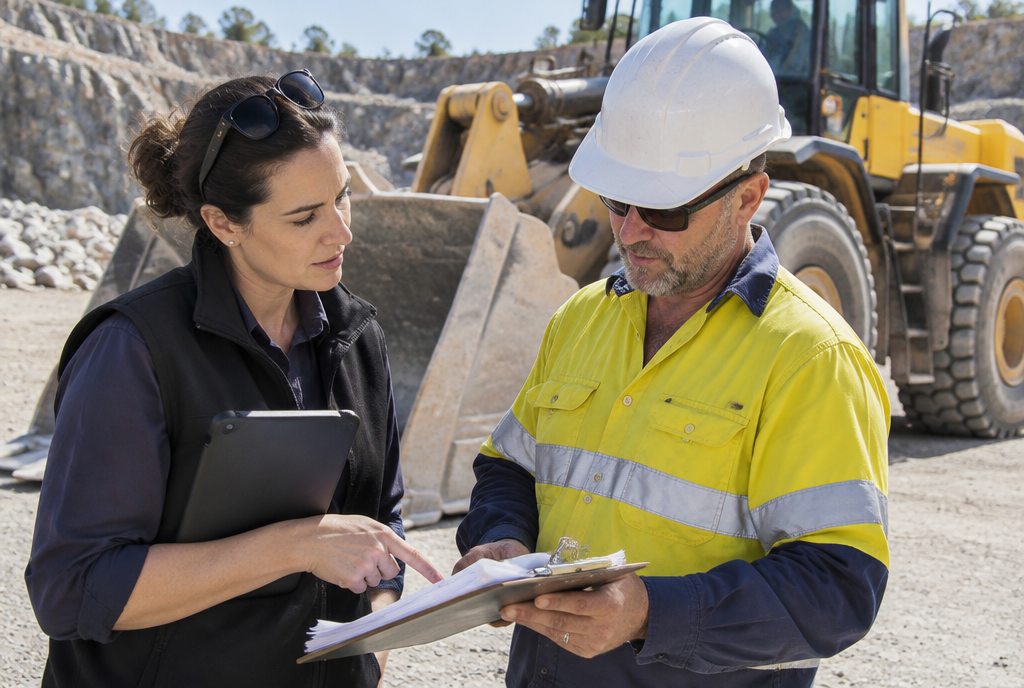
What is a training needs analysis?
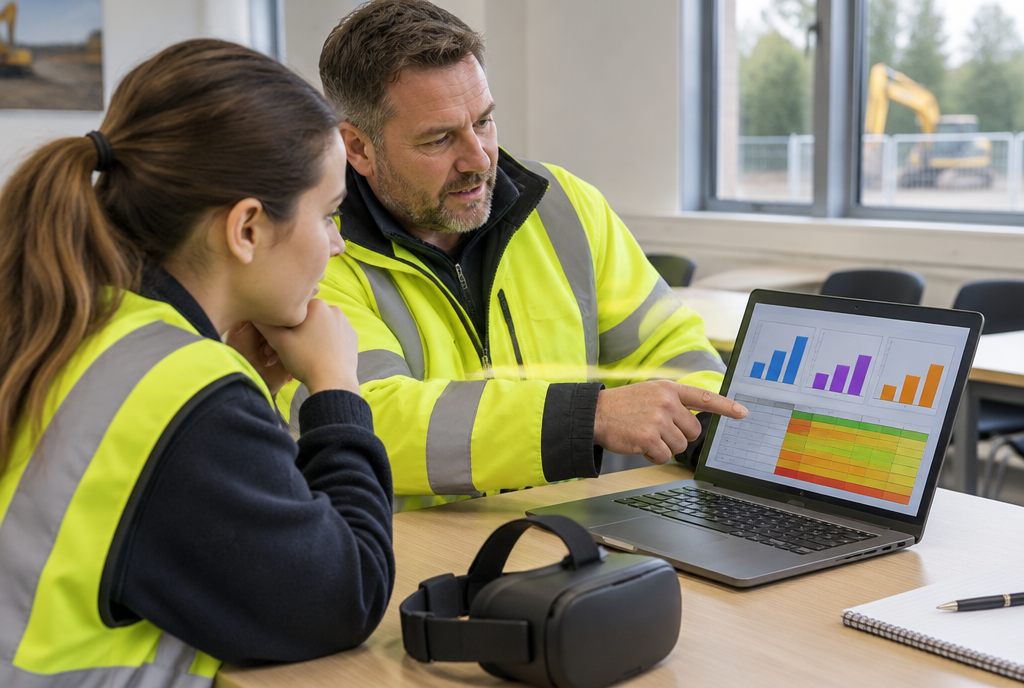
A training needs analysis (TNA) is a structured review of the tasks people do, the risks in those tasks and the gap between current and required competence. For immersive training it also decides which tasks suit VR, which need a physical simulator and which are better taught on real equipment.
VR is not the right answer for every task. A TNA stops money going into scenarios a toolbox talk would cover, and points it at the rare, high-consequence events crews can't safely practise for real.
It also gives you the paper trail: a documented link from your risk register to each scenario and score, which is what auditors and regulators look for.
What’s included
Scoped to your project. Every part is built for your site, people and procedures.
- Incident and near-miss reviewPatterns in your reports that point to the decisions worth training.
- Task and competency mappingEach task linked to the units of competency and procedures it relates to.
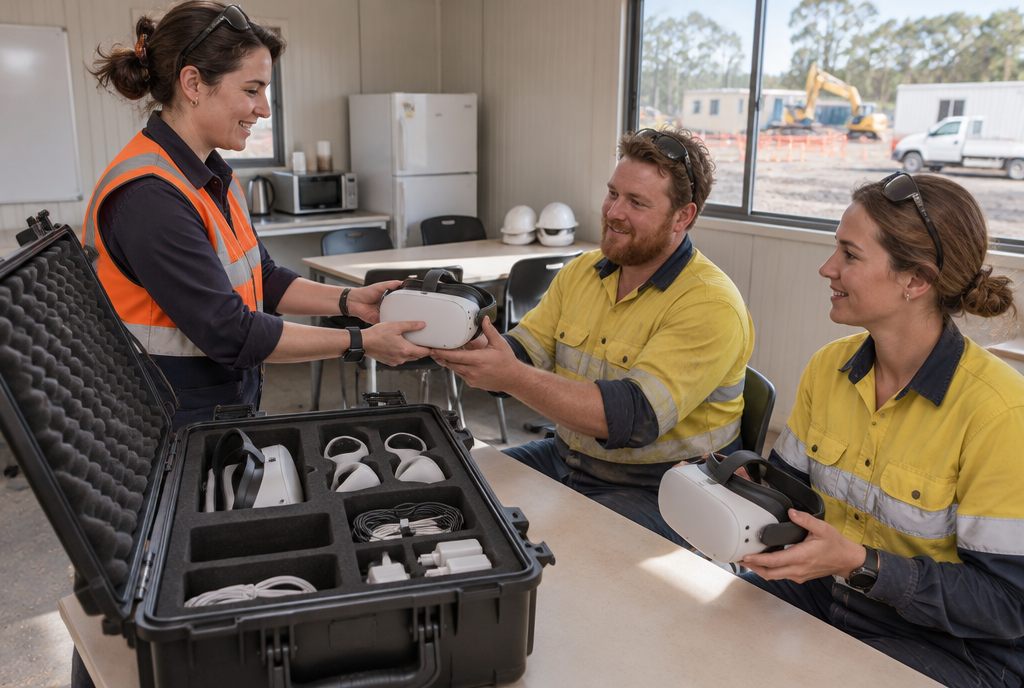
- Format recommendationVR, a physical simulator, a digital twin or none, task by task, with reasons.
- Build brief and estimateA scoped list of scenarios, scoring and integrations you can approve or take to tender.
Industries we build it for
Pick your industry to see examples and the formats each can be built in. All industries
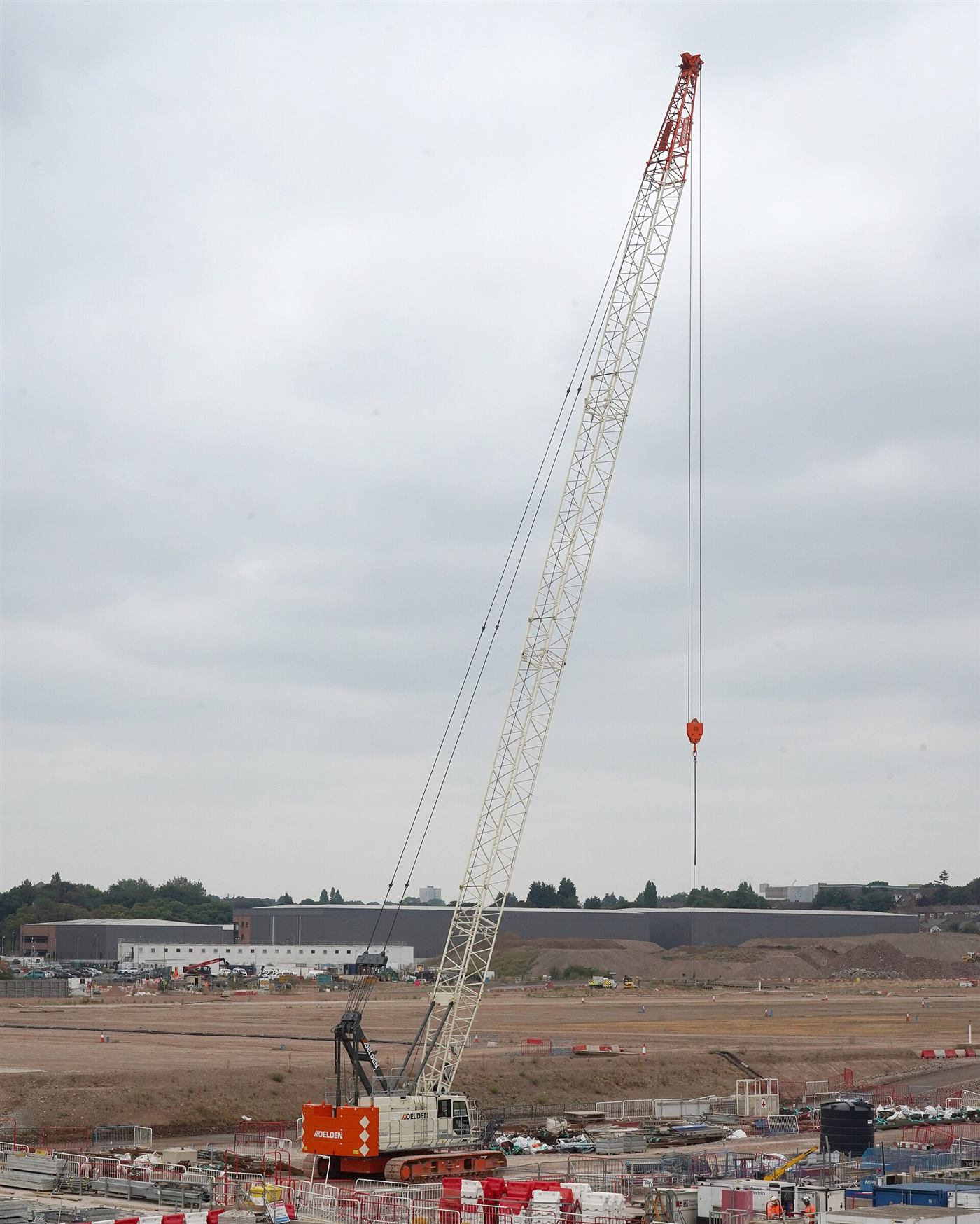
Construction
Tower crane / Mobile & crawler crane / Rigging, dogging & signalling / Excavator
See the industry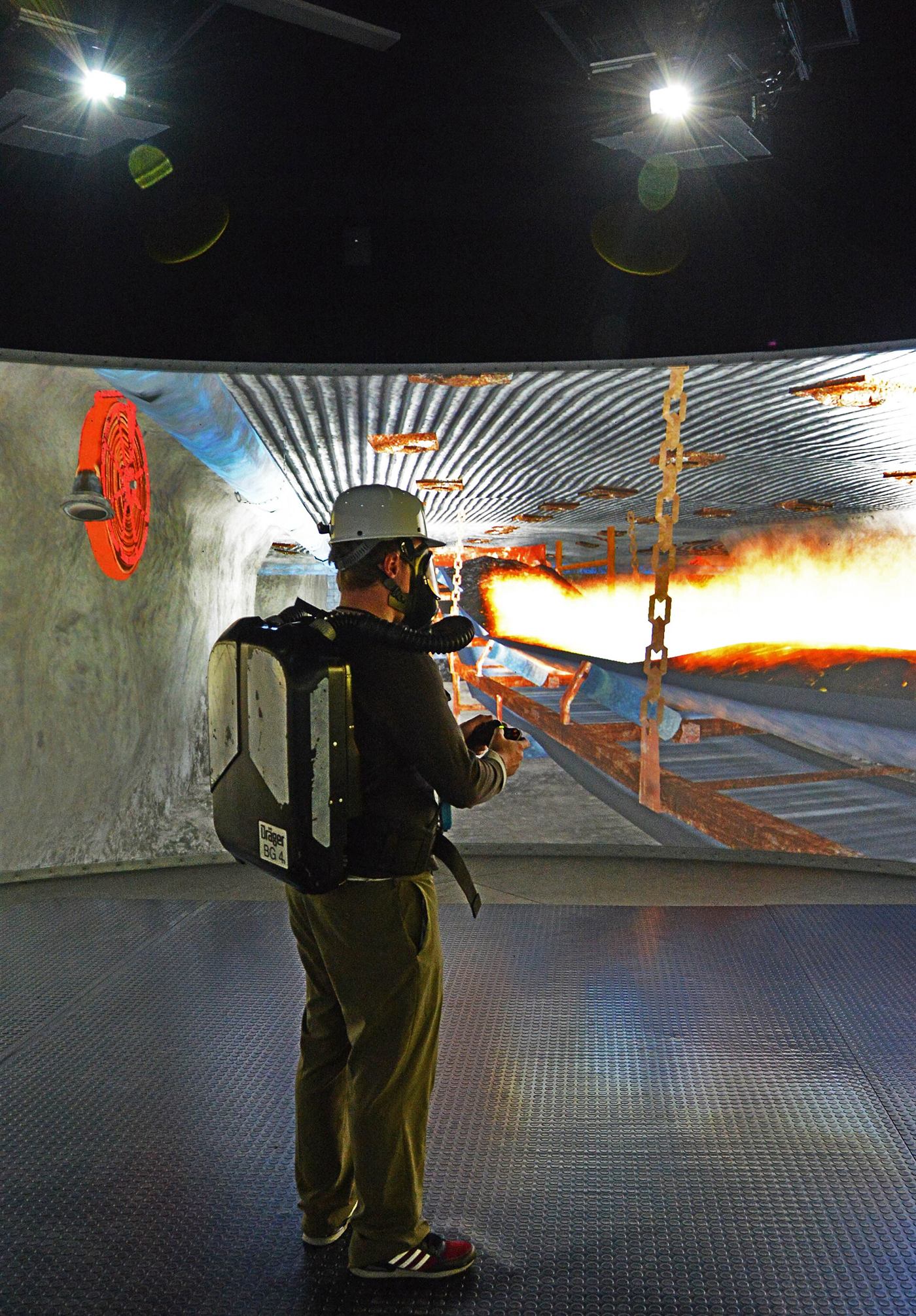
Mining & resources
Underground hazard awareness / Mine emergency & escape / Mine rescue team drills / Underground loaders & remote operation
See the industry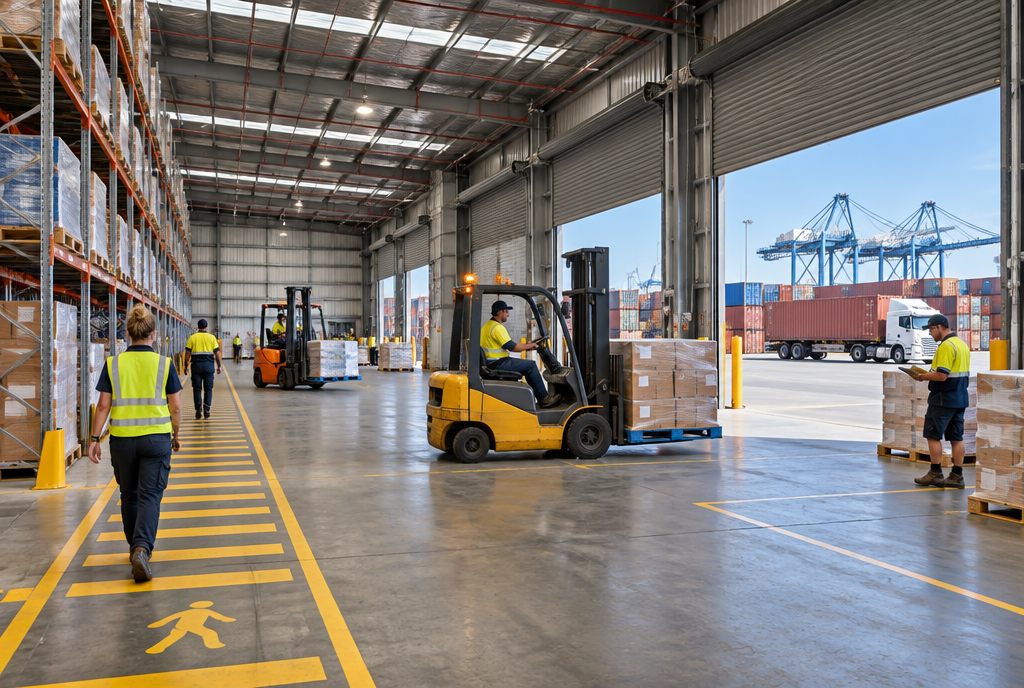
Logistics & manufacturing
Forklift & reach truck / Overhead & gantry crane / Port & container cranes / Isolation & lockout/tagout
See the industry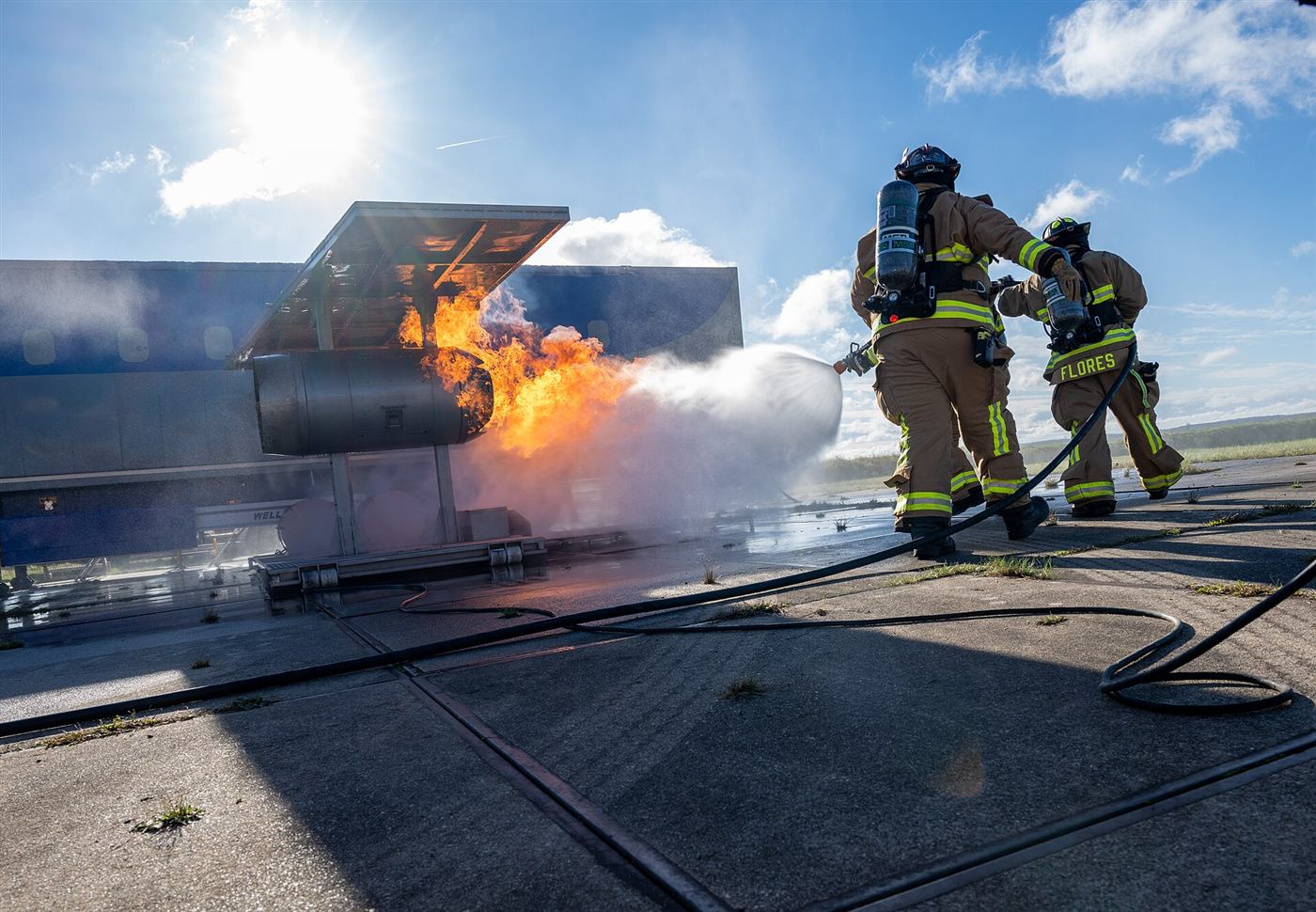
Fire & emergency
Fire alarm panel & fault-finding / Fire warden & evacuation / Fire extinguisher training / Hot work & fire watch
See the industry
Energy & utilities
Power line & asset inspection / Flight fundamentals & emergencies / Confined-space & indoor flight / Confined space entry & rescue
See the industry
Property & real estate
Off-the-plan walkthroughs / Building operations twins / Remote property inspections
See the industryMore in custom training programs

Start with a scoping call
A 30-minute call to understand the problem, then a first outline with a timeline and estimate.
Start a projectFrequently asked questions
What is a training needs analysis?
A training needs analysis (TNA) is a structured review of the tasks people do, the risks in those tasks and the gap between current and required competence. For immersive training it also decides which tasks suit VR, which need a physical simulator and which are better taught on real equipment.
How long does a training needs analysis take?
Usually a few weeks, depending on how many roles and sites are in scope and how quickly records can be shared.
Do we have to commit to a build afterwards?
No. The analysis is a deliverable in its own right. You can use it internally, take it to tender or ask us to build it.
Who from our team needs to be involved?
A safety or training lead, an experienced operator or supervisor for each task, and ideally one of your assessors.