
Hazard walk
Walk the site and find the hazards placed in it, from trip points to unguarded edges.
A walk through your own site before the first shift, with hazards placed where they really occur. New starters and contractors arrive already knowing the rules and the routes.
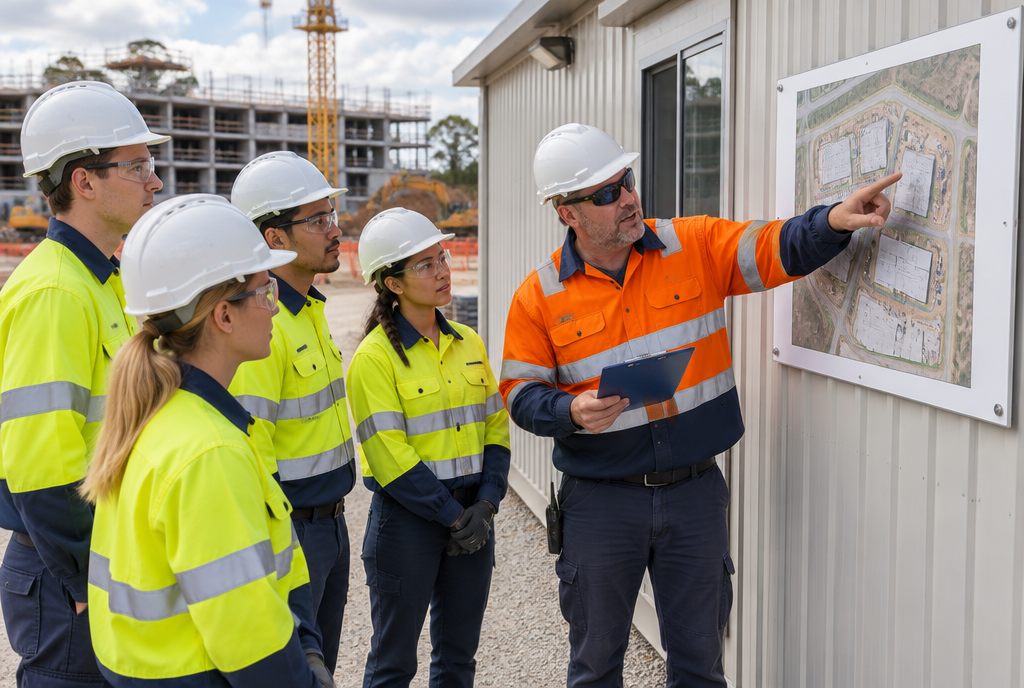
A virtual site induction lets new starters, contractors and visitors walk a 3D model of the site before they arrive: in a VR headset, on a kiosk at the gate or in a browser sent with their start pack. They find hazards placed where they really occur, learn the traffic rules, permit areas and emergency routes, and the induction records what each person spotted and answered.
Most inductions are slides and a signature. People forget most of it by the time they reach the work area.
A virtual induction shows the real site, the real hazards and the real way out. It's remembered because it was done, not watched.
Examples only. We rebuild each one around your site, equipment and procedures.
Walk the site and find the hazards placed in it, from trip points to unguarded edges.
Cross the site on the right walkways and stay out of the exclusion zones.
Hear the alarm and reach the assembly area by the right route.
Every session can be scored against your own checklist and exported to your LMS or as PDF.
The induction follows your site's own rules, permit areas and emergency plan, and its records sit alongside the induction evidence you keep under the Work Health and Safety Act.
The same site induction & hazard spotting scenarios can run on different hardware. We recommend a format in scoping, and many projects use more than one. Each links to the service that builds it.
Walk the site at full scale before day one.
Standalone headset · Works offlineVR training apps Web & mobile 3DBest fitThe same model in a browser or on a phone, sent with the start pack.
Any browser · SCORM / xAPIDesktop & web 3D Desktop simulatorWorks wellA kiosk or training-room PCs at the gate, for people without a headset.
PC or laptop · Desk-mounted controlsDesktop & portable simulators Digital twinWorks wellBuilt from your site twin, so the induction matches the current layout.
Cameras · Sensors · IoTSites with cameras, sensors & IoT Mixed reality (XR)Also possibleHazards overlaid on the real site office or yard for a guided walk.
Passthrough headset · Real equipmentMixed reality (XR) training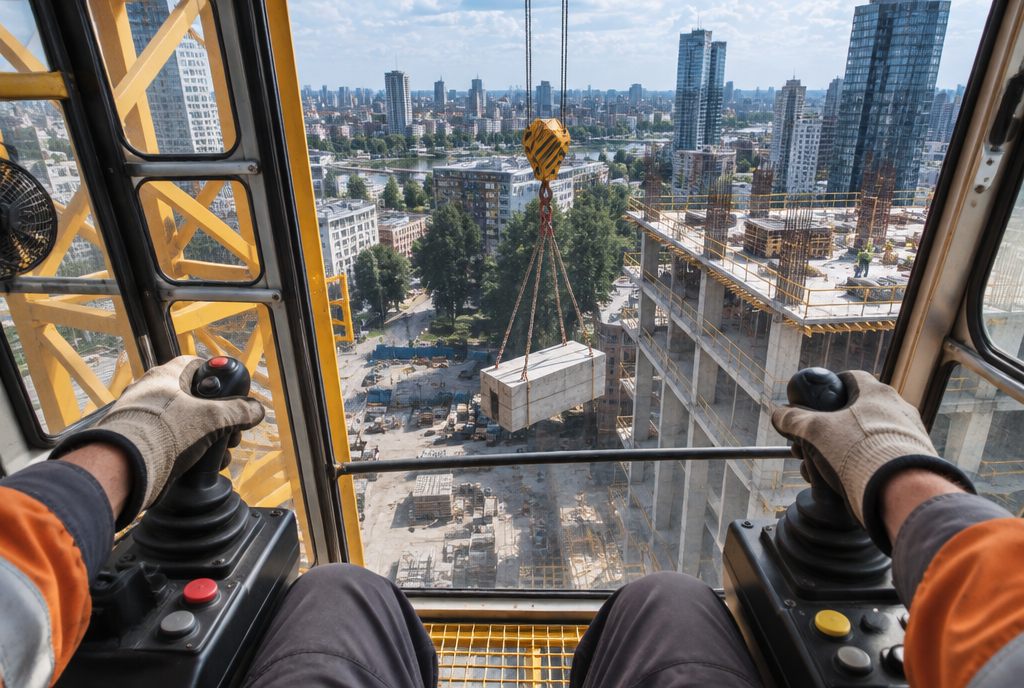
Blind lifts on radio calls, wind and tight slews, modelled to your crane's load chart.
See the example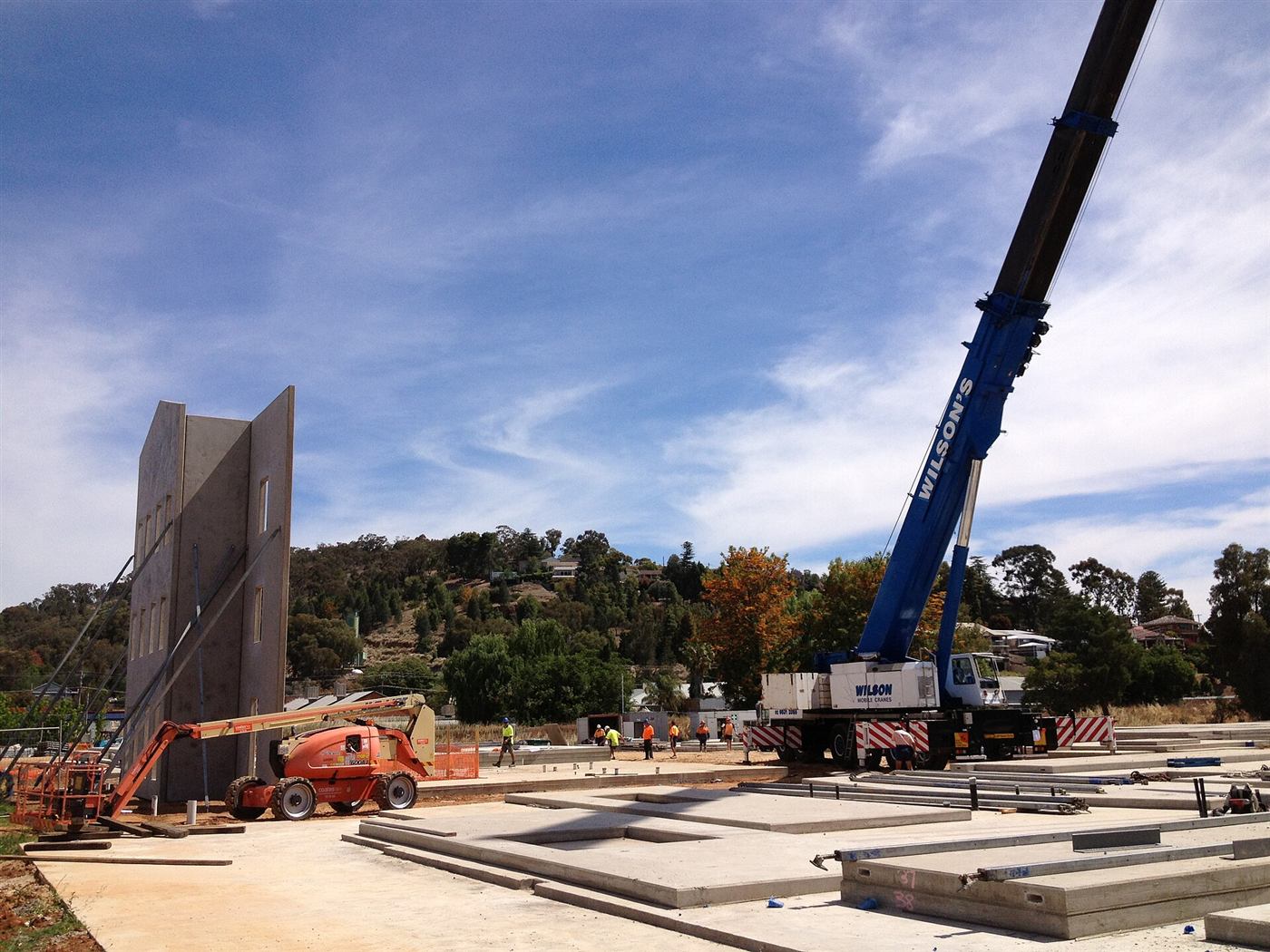
Set-up, outriggers, soft ground and lifts near capacity, from planning to set-down.
See the example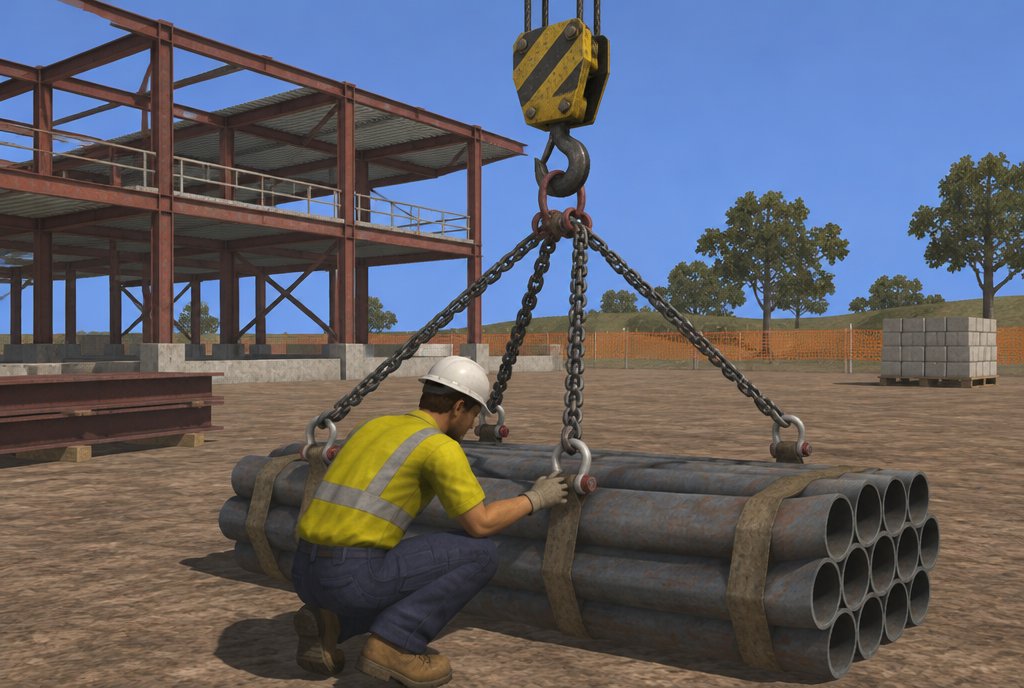
Load estimation, sling choice and the radio calls that guide a blind lift.
See the example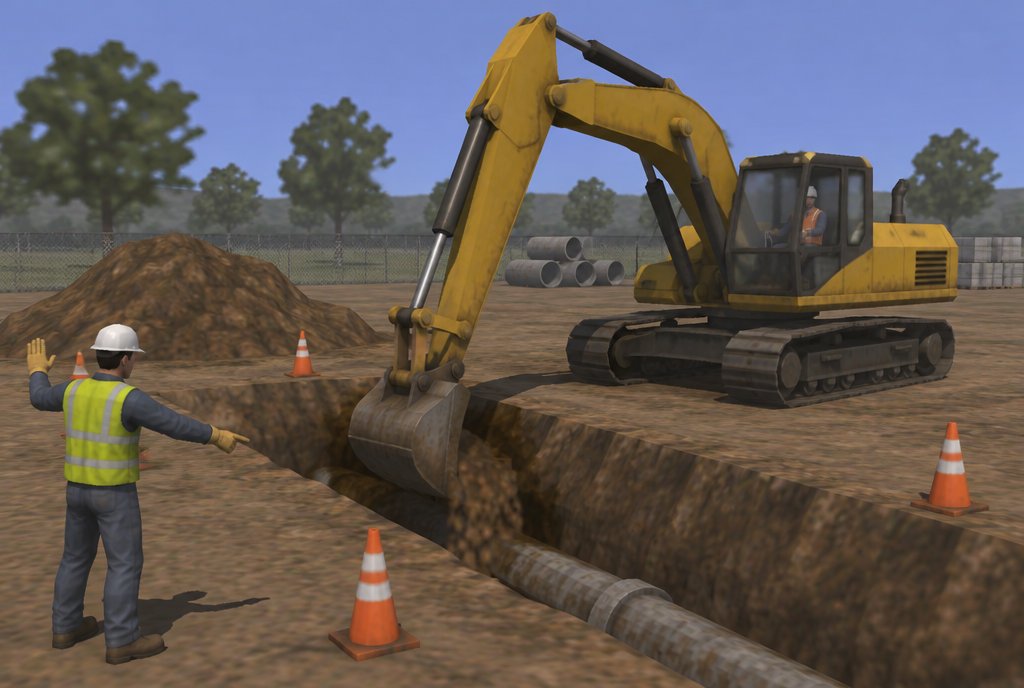
Buried services, swing zones with spotters and trench edges.
See the example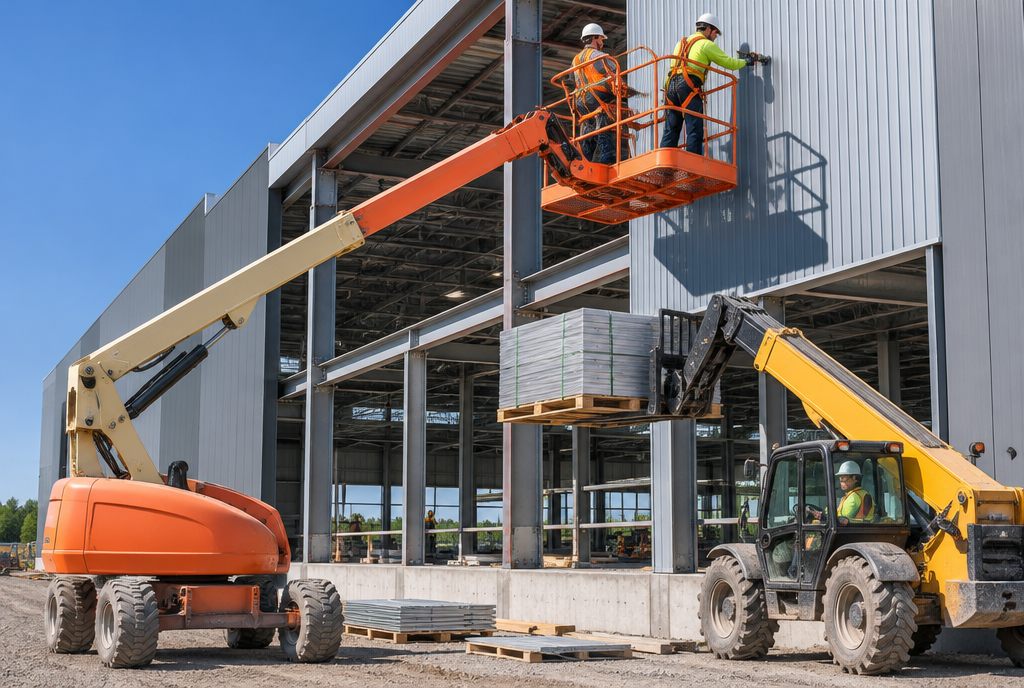
Overhead crush hazards, slopes and outriggers, and power lines.
See the example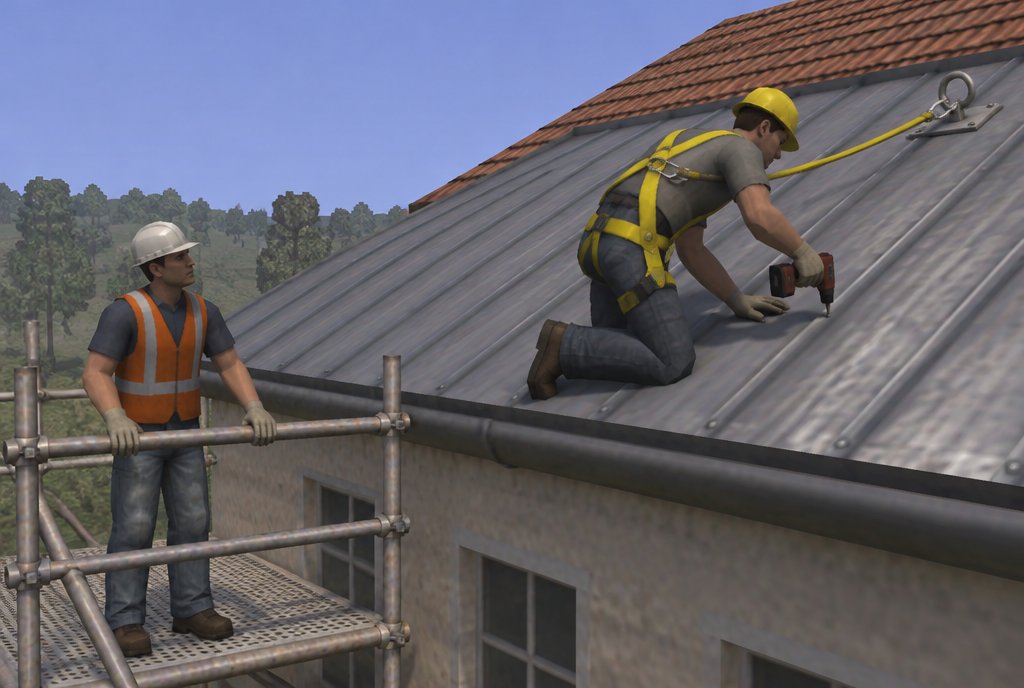
Harness checks, anchor points, unprotected edges and rescue.
See the exampleA first call about what your people face, then an outline of the scenarios, the format and the scoring we would build.
Start a projectA virtual site induction lets new starters, contractors and visitors walk a 3D model of the site before they arrive: in a VR headset, on a kiosk at the gate or in a browser sent with their start pack. They find hazards placed where they really occur, learn the traffic rules, permit areas and emergency routes, and the induction records what each person spotted and answered.
Yes. A browser version runs on a laptop, so contractors complete it before their first day.
We usually design inductions of 15 to 30 minutes, depending on the site.
Yes. The model is updated as layouts, hazards and rules change.