
Harness inspection
Find the faults planted in a harness and lanyard before use.
Edges, ladders, roofs and harnesses on a model of your site. Workers practise the checks and choices that stop falls, and feel the height without the risk.
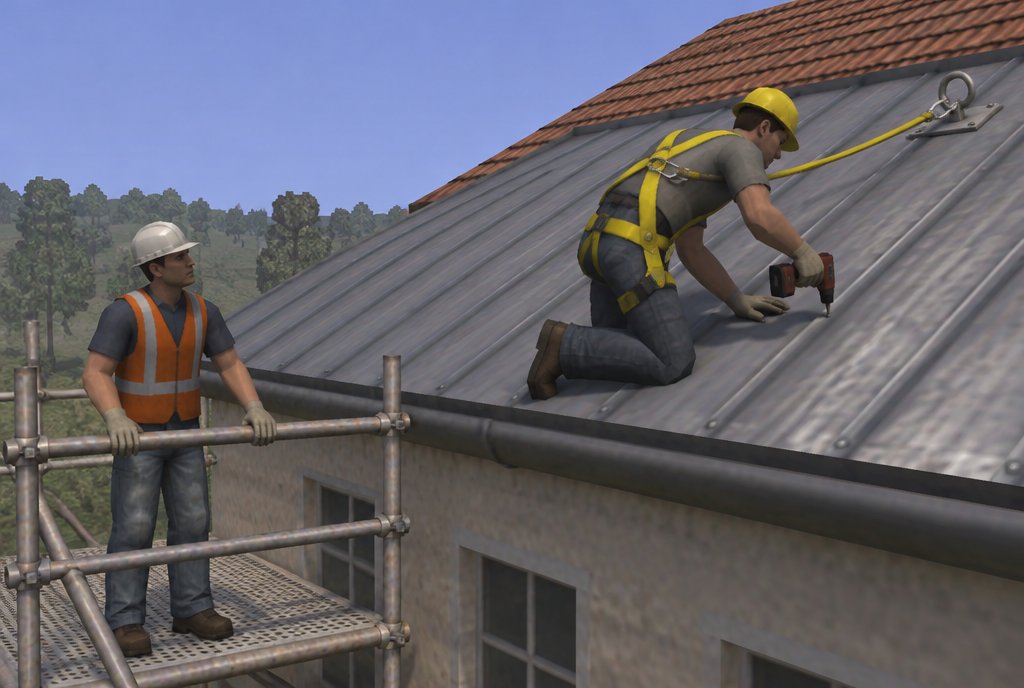
Working at height simulation training puts workers on virtual roofs, platforms and edges modelled on their own site, in VR or in mixed reality wearing a real harness clipped to a real anchor. They inspect harnesses, choose anchor points, set up edge protection and practise a rescue after an arrested fall, at a height that feels real but carries no risk.
Falls from height remain one of the most common causes of serious injury at work. The choices that prevent them are made before anyone climbs.
VR and mixed reality add the one thing a classroom can't: the height. Workers make the checks and decisions while it feels real, which is how they will make them on the job.
Examples only. We rebuild each one around your site, equipment and procedures.
Find the faults planted in a harness and lanyard before use.
Pick an anchor point that will hold and limits the fall distance.
A worker is hanging in a harness. Start the rescue before suspension trauma sets in.
Every session can be scored against your own checklist and exported to your LMS or as PDF.
Scenarios follow the Code of Practice for managing the risk of falls at workplaces and the fall-arrest guidance in AS/NZS 1891.4, as applied in your site's procedures.
The same working at height scenarios can run on different hardware. We recommend a format in scoping, and many projects use more than one. Each links to the service that builds it.
A real sense of height and real edges, with zero risk.
Standalone headset · Works offlineVR training apps Mixed reality (XR)Works wellA real harness and lanyard clipped to a real anchor in the room, while the edge is virtual.
Passthrough headset · Real equipmentMixed reality (XR) training Web & mobile 3DAlso possibleHarness inspection and anchor choice as a short refresher.
Any browser · SCORM / xAPIDesktop & web 3D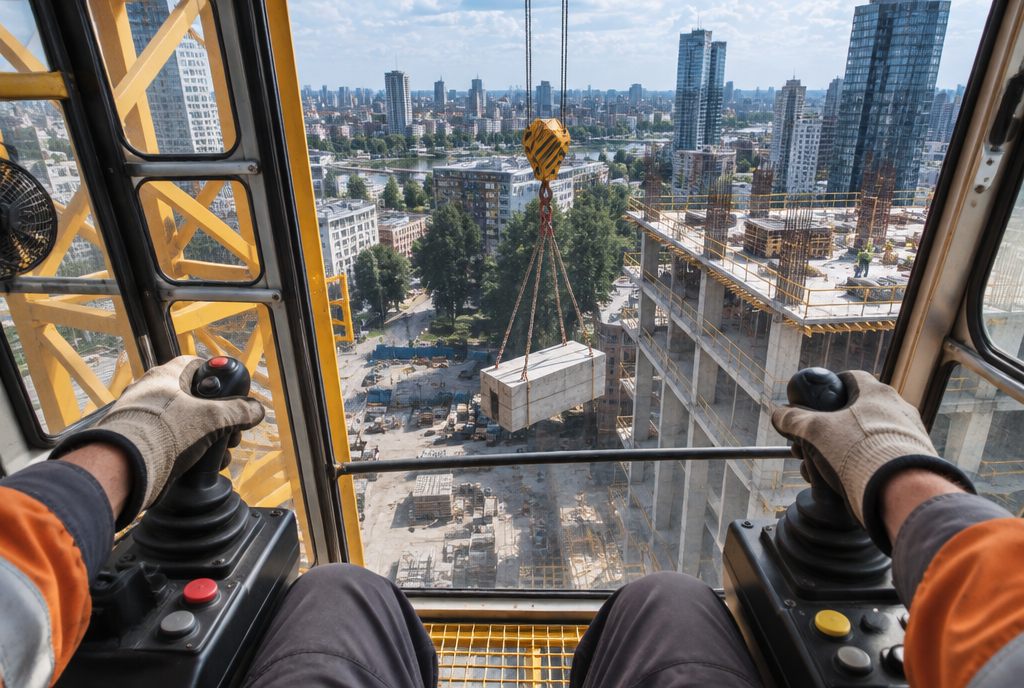
Blind lifts on radio calls, wind and tight slews, modelled to your crane's load chart.
See the example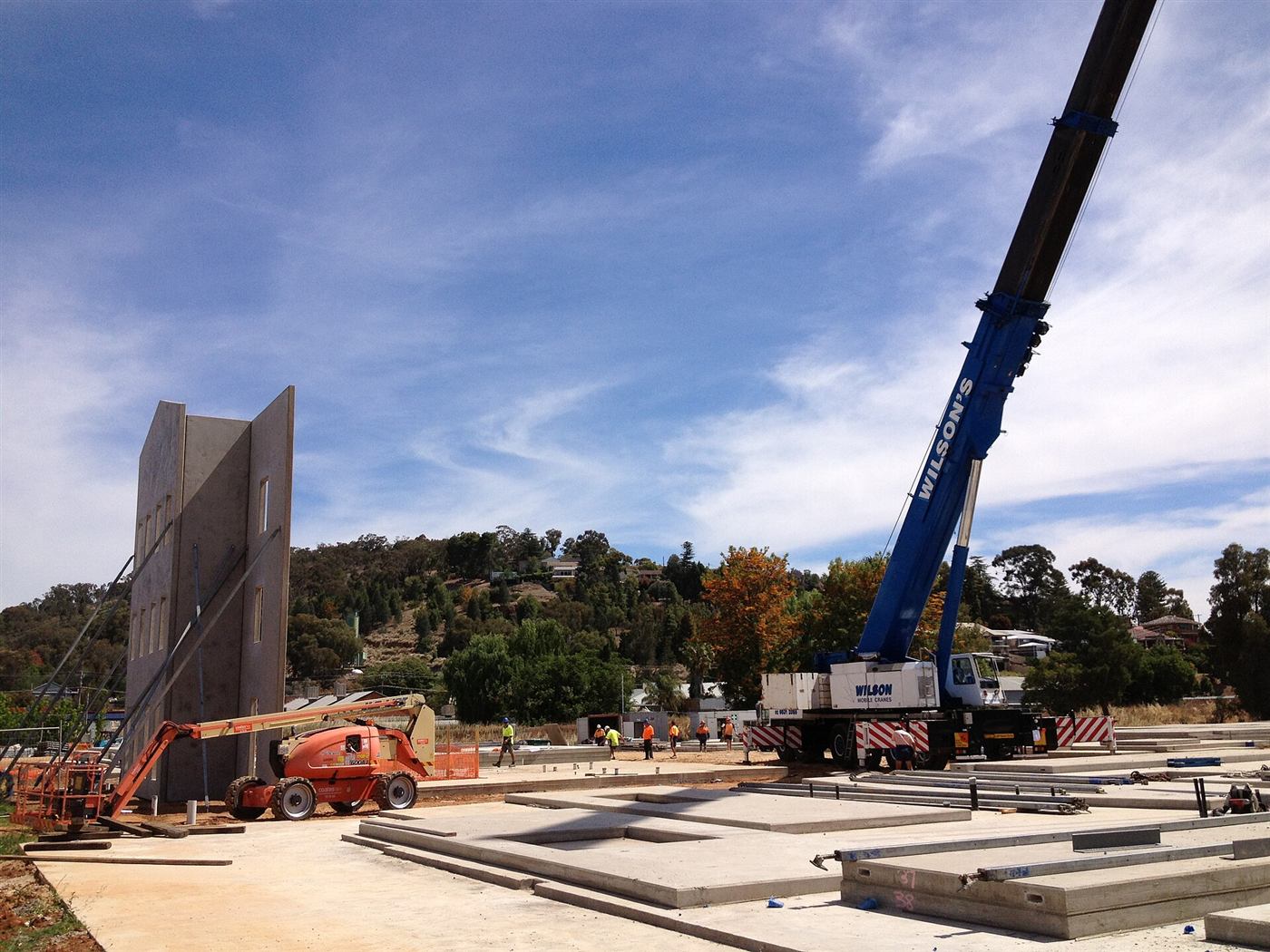
Set-up, outriggers, soft ground and lifts near capacity, from planning to set-down.
See the example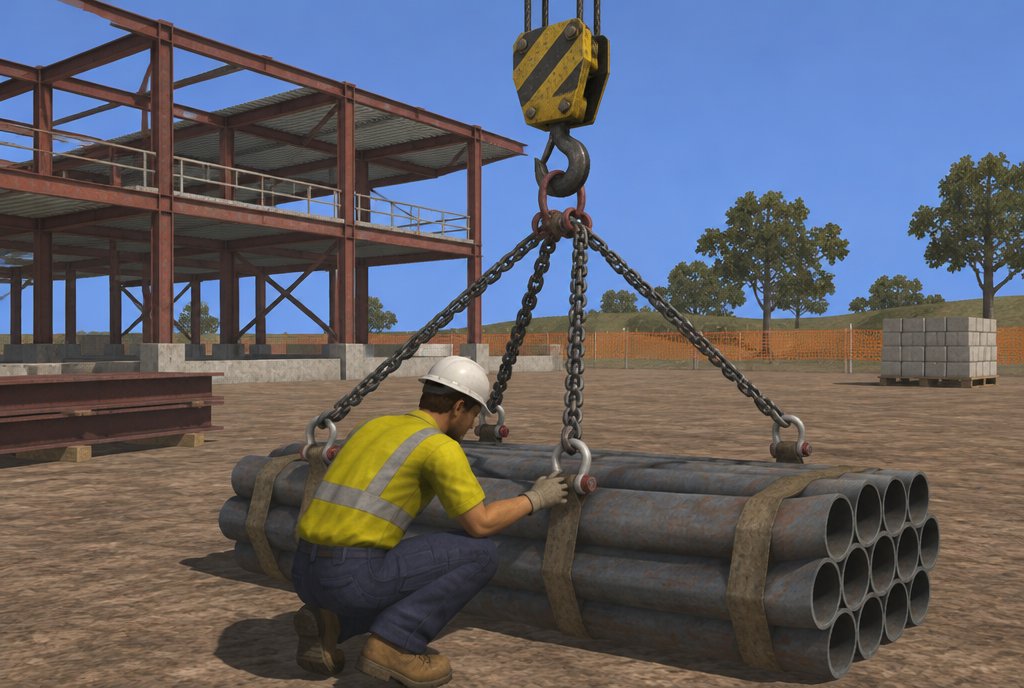
Load estimation, sling choice and the radio calls that guide a blind lift.
See the example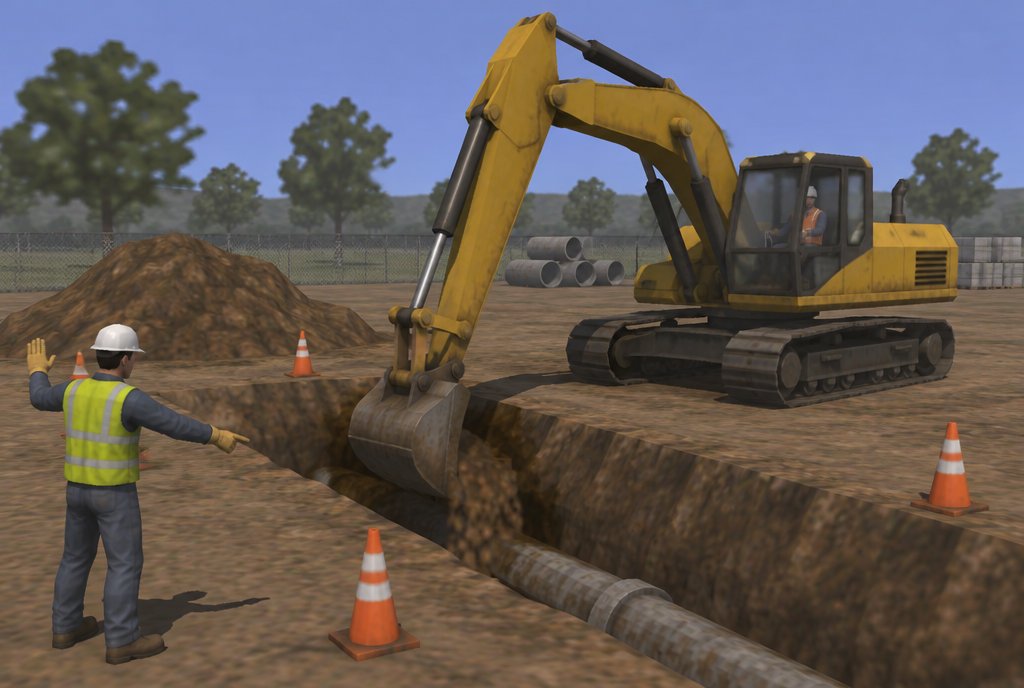
Buried services, swing zones with spotters and trench edges.
See the example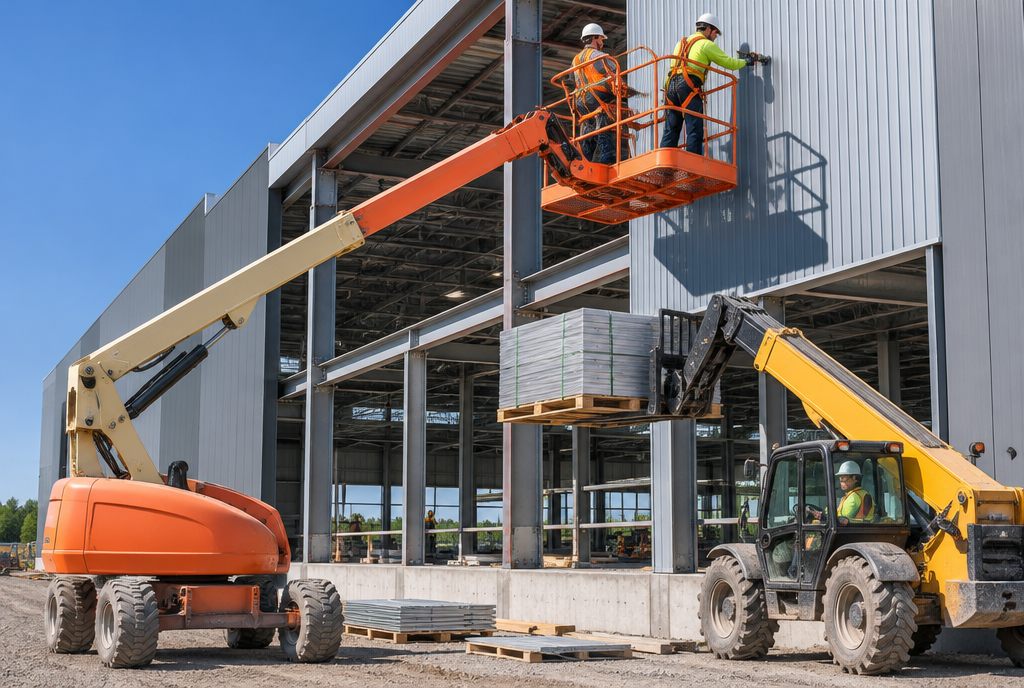
Overhead crush hazards, slopes and outriggers, and power lines.
See the example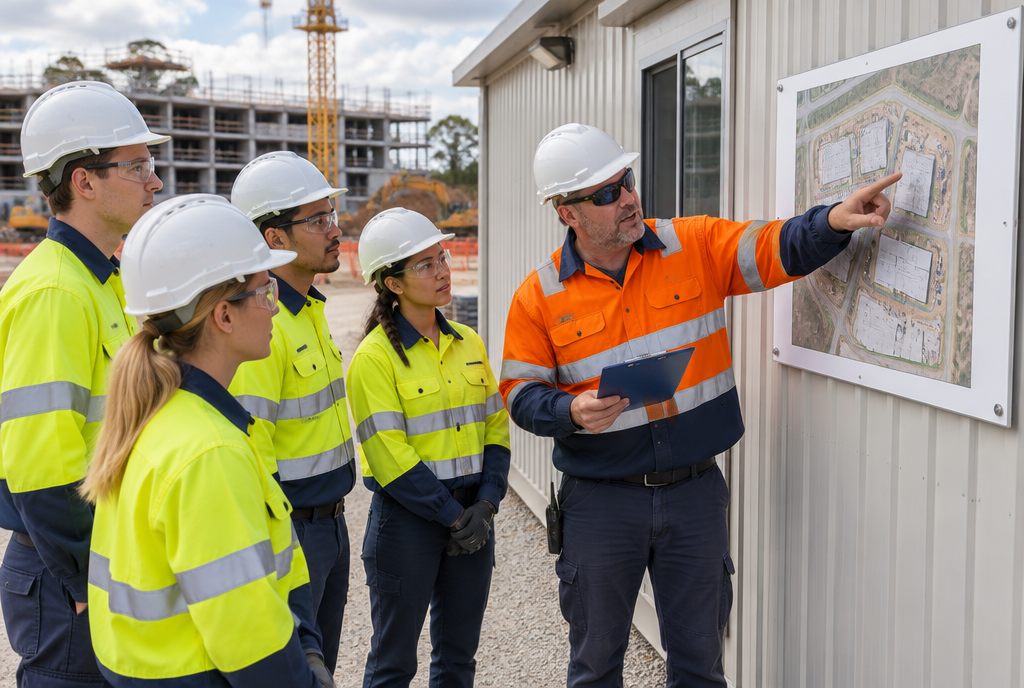
Walk your site before day one and find the hazards where they really are.
See the exampleA first call about what your people face, then an outline of the scenarios, the format and the scoring we would build.
Start a projectWorking at height simulation training puts workers on virtual roofs, platforms and edges modelled on their own site, in VR or in mixed reality wearing a real harness clipped to a real anchor. They inspect harnesses, choose anchor points, set up edge protection and practise a rescue after an arrested fall, at a height that feels real but carries no risk.
Some people feel the height, which is the point. Sessions are short and trainees can pause at any time.
Yes. We build them from your drawings or a drone survey.
Yes. Rescue after an arrested fall is part of the module, following your own rescue plan.